Historically speaking, my race time at the shorter race distances – 5k, 10k or even the half marathon – had almost always been slower than the corresponding marathon times according to Dr. Jack Daniels’ VDot (or that of anyone else’s) tables. This wasn’t a surprise since, even though I had raced a handful of non-marathons pretty hard over the past decade with an evolving definition of pretty and hard, none of them were the target events with a formal training plan catering to the specific demands of that distance … but (often scenic) pit stops along some marathon journey. With training to and through the 2026 Grandma’s Marathon as the foundation, I thought a happy little training block not focused on a marathon would serve me well in the long run (pun intended). The tangible test of this organic and unhurried process was an attempt to improve the PR for at least one non-marathon distance … be it in a solo (or a communal) time trial or in an organized event.
da Past Lessons
While retaining much of the I did well list from the 2026 Grandma’s Marathon (please see da Takeaways section in that entry, if interested), items from the I could do better (or differently) list that got my focus (and the underlying rationale) were as follows.
- Add accountability to autonomy.
- Coaching education programs / clinics and curiosity to learn more about training principles and human physiology from formal and informal interactions as well as studying peer-reviewed publications and willingness to practice them had been a double-edged sword. One edge had brought plenty of autonomy … to craft/adapt a training plan and tweak it when necessary. The other edge had made it far too easy to tinker with an ongoing plan far too many times and far too frequently … akin to digging up the ground every day to see if the planted seed was growing … so much so that week #06 of a 10-week plan barely bore any resemblance to its week #01 counterpart.
- I had also misconstrued the compliance score as my accountability towards the plan. I hadn’t invested in guardrails (i.e., accountability – internal or external) to stick with the plan long enough and complete a given day’s activities in a timely fashion … to give the plan an opportunity to do its thing for me … without losing my curiosity and willingness.
- Train for the sake of training and train for fun.
Although I had considerably improved at letting the fitness grow organically instead reaching for it in recent times, there had always been a target event and that target event’s distance had almost always been 26.2-ish miles. It also hadn’t been very difficult to set a quixotic (or even a hallucinatory) goal and then reverse engineer the training efforts/paces. - Be in the training block I am in and do not change horses midstream.
Far too many times in the past, I had given into the false sense of security and switched horses partway through a training block … from half marathon to full … just because one or two workouts had gone better than expected. This hubris of middle age (or of youth, if counting just my running years) had resulted in nothing but unpleasant experiences on race day.
da Training
Unlike after the 2023 Grandma’s Marathon (or numerous occasions since then), I took one full week of complete rest after the 2026 Grandma’s Marathon. Giving myself another fortnight of almost all easy and unstructured activities was a pretty good move too. A combination of my hubris and prevailing heat, humidity and terrible AQI (from wildfires in Northern Minnesota and Southern Ontario and elsewhere as the Summer progressed) resulted in my dream of becoming a Speedy Gonzales in a hurry remain just that … a dream. Insight from Shannon and Stephen (THANK YOU!) helped identify and isolate the potential cause for less than desirable experience in out of town races involving day trips: travel-induced stress. Combining that with learnings from / discussions with friends, mentors, coaches, healthcare professionals, peer-reviewed journal publications, clinics (USTAF Cross Country School in 2026 July), YouTubing, etc., I designed a 14-week hypothetical half marathon plan: 3 mini blocks of 4 weeks each … followed by taper and race weeks and no out of town races. Notable features included the following:
- Keep It Simple and Sustainable (
KISSKIS-aS) would remain the overarching theme. - Train today to be able train tomorrow (or Protect tomorrow’s me from today’s me) would be the daily guide.
- Each mini block would end with a field test to assess the process and contingent upon satisfactory progress, the subsequent mini block would be made more specific to the distance.
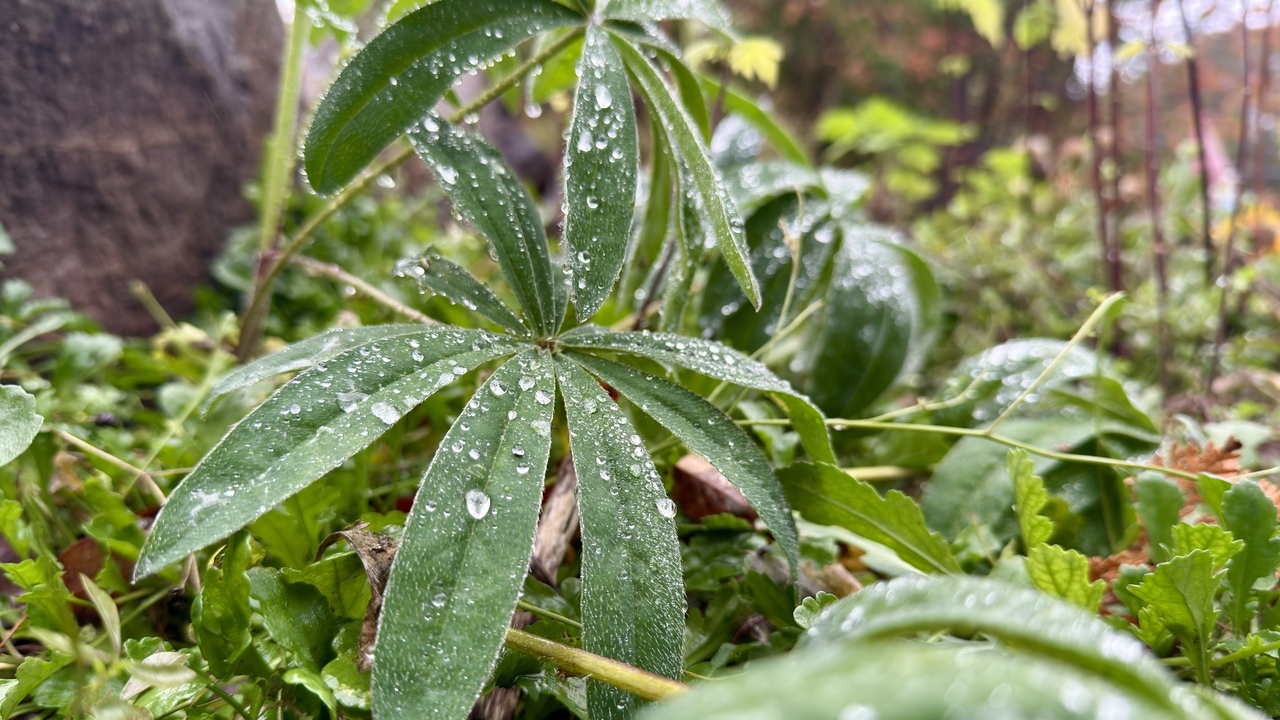
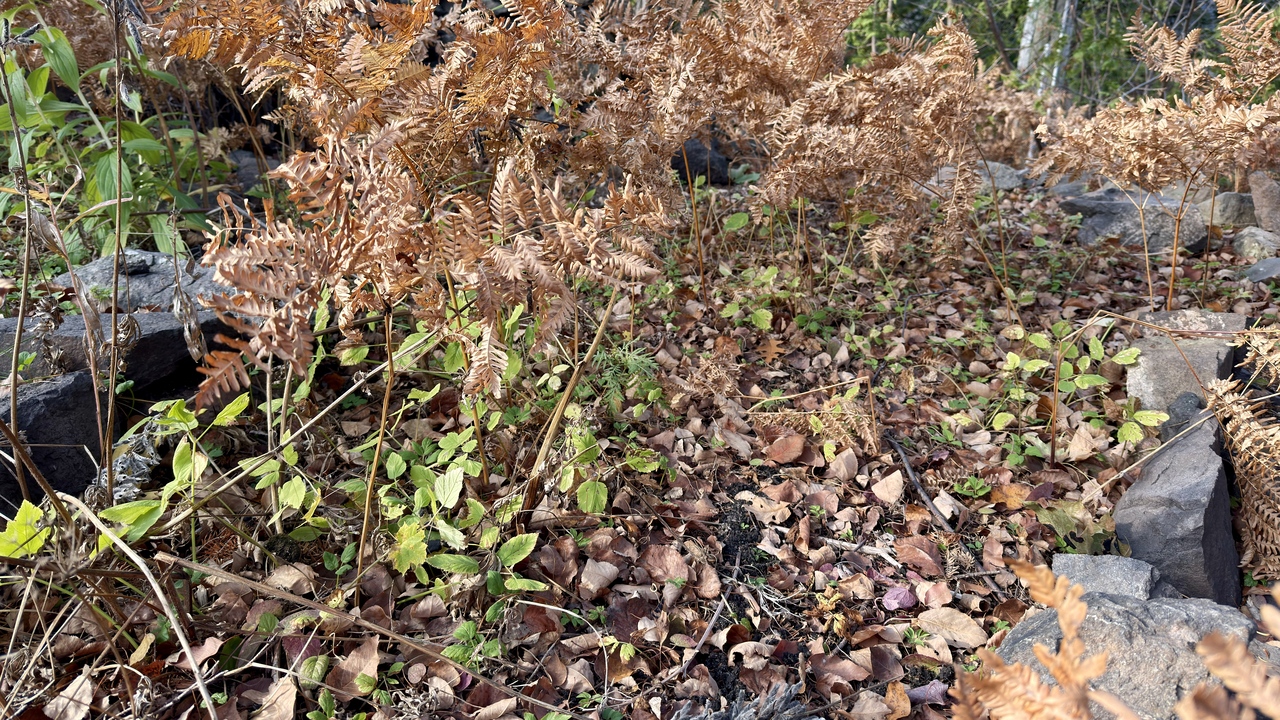
A seemingly simple act of weeding a small garden bed around the house in/around week #05 provided an unlikely source of faith and clarity. Plants – Garden Cosmos, Iris, Lupine, etc. – which don’t bloom past June/July started doing so in late September through mid (and even late) October! One might claim that (and I agree) that this had been an odd-ish Summer and Autumn … in that blooming season was affected. However, as a Science experiment, I didn’t weed other garden beds of similar size in the vicinity of the first one, and nothing unseasonal grew / blossomed in them. The lesson was (and still is) quite unmistakable: I needed to do some weeding. It took the form of … taking the high risk and low reward modalities out of rotation and varying surfaces and treating all modalities as equals to ensure consistency in load. While I didn’t stop learning from clinics (ECSS Annual Congress in 2026 July and US Ski & Snowboard’s Coach Excellence Conference in 2026 October) / discussions / readings, I just documented the potential tweaks for a subsequent training block.
Beyond swapping a day here or there to accommodate life / community (weeks #07 and #12) / vaccination (week #09) / work (week #14) commitments, I did not tinker with the basic structure of the mini block I was in. Consistency and improvements in my accountability were made possible via check-ins/discussions with Laura, Nils and Stephen (THANK YOU!). Notable behavior and observations over these 14 weeks included the following:
- Making effort the primary guiding factor and employing pace minimally … only after it had been organically derived and verified.
- Practicing nutrition prior to and during harder efforts and under varying weather conditions and levels of fatigue.
- Earning freedom with discipline and exercising that earned freedom with discipline.
- Being pretty punctilious during the first 2 weeks.
- Incrementally adding and managing a second run over the next several weeks to build up volume.
- Extending the length of outings … to reach 50+ miles per week mostly with singles by Week #11 and adding more recovery rides.
- Reaching 50+ running miles in back to back to back weeks for the first time in 2026 calendar year / 2026-2027 season in Week #12.
- Paces associated with recovery – easy – long outings improving by about 2 min/mile and with sustained steady – hard outings improving by about 30 sec/mile by Week #14 … for about the same effort level and tangible metrics (e.g., HR, time to recovery afterwards, etc.) but with considerably better physical rhythm and mental state.
The numerical summary of the trackable (also known as core) activities I completed and relevant eye candies are below. The finer details associated with individual activities may be found in Strava.
Overall Summary2026-08-03 - 2026-11-08Duration in h:mm:ss, distance in miles (and kilometers) and elevation gain in feet (and meters) |
|||||
|---|---|---|---|---|---|
| # | Activity Type | Count | Duration | Distance | Elevation |
| 1 | Bike | 39 | 19:24:22 | 218.55 (351.87) | 646 (197) |
| 2 | Run | 109 | 96:28:09 | 606.20 (975.98) | 15011 (4575) |
| 3 | Strength | 38 | 22:29:56 | - | - |
| Total | 186 | 138:22:27 | 824.75 (1327.85) | 15657 (4772) | |
Mixing Business w/ Pleasure
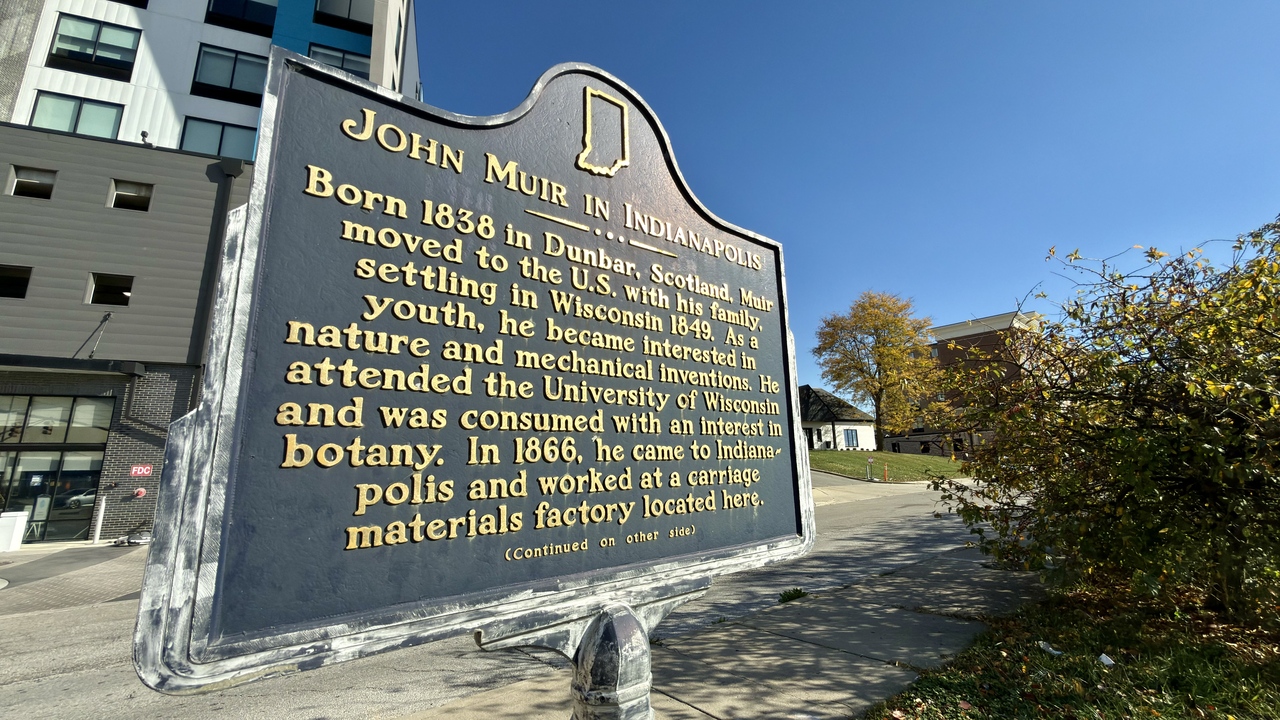
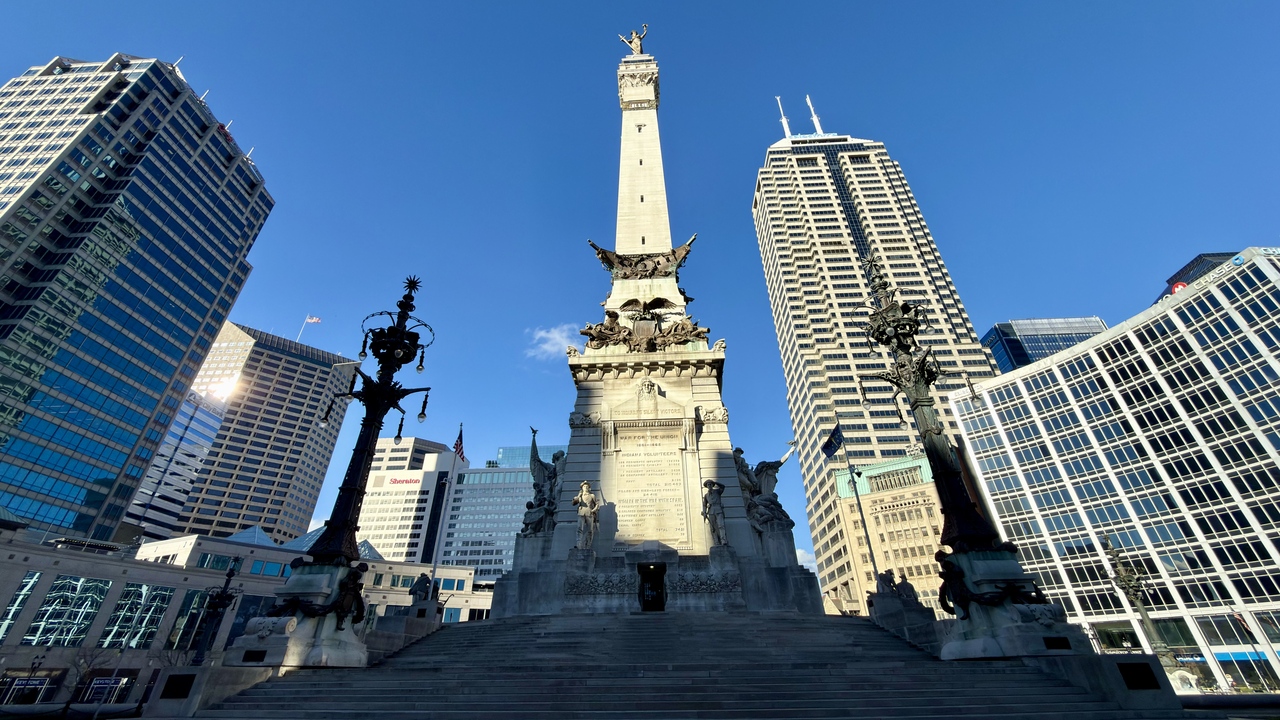
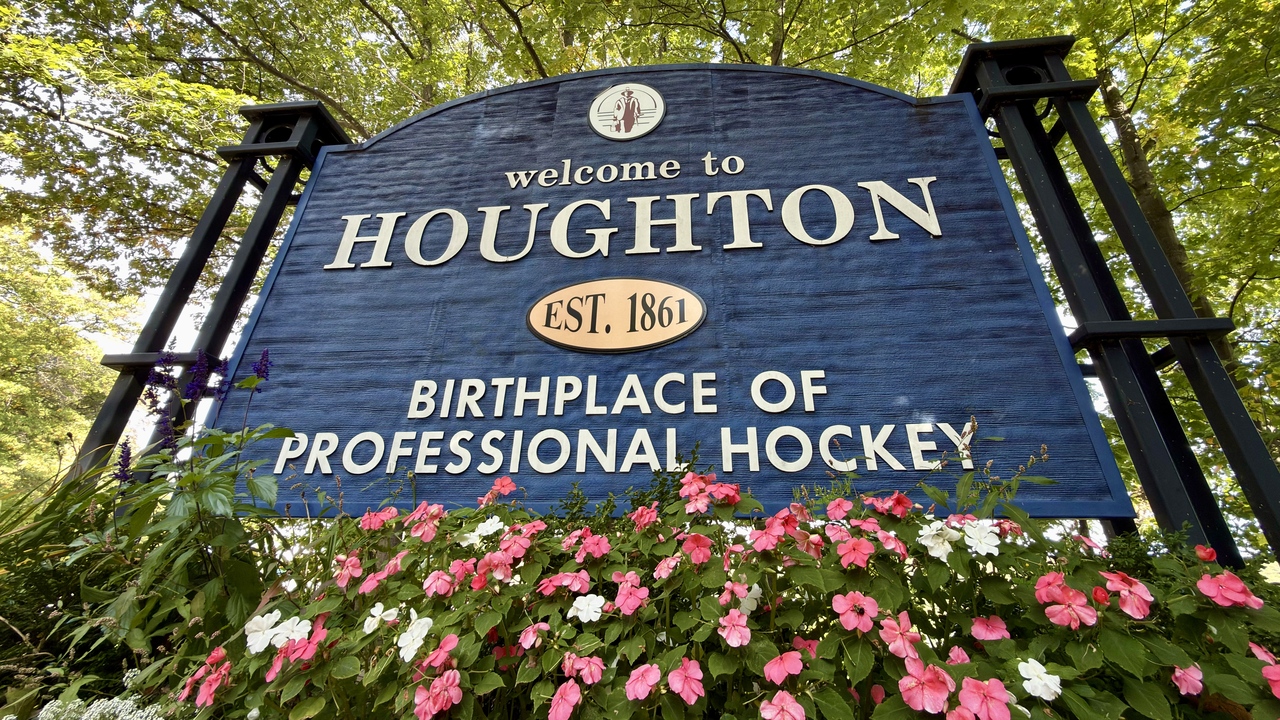
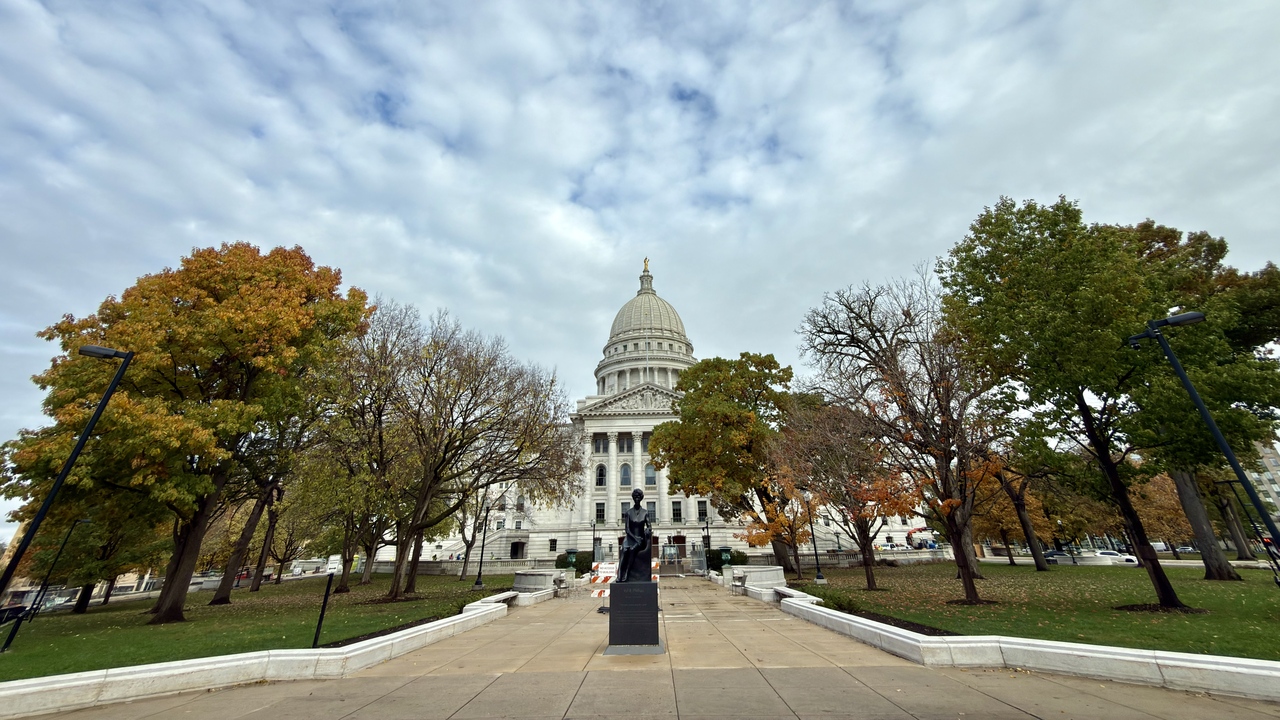
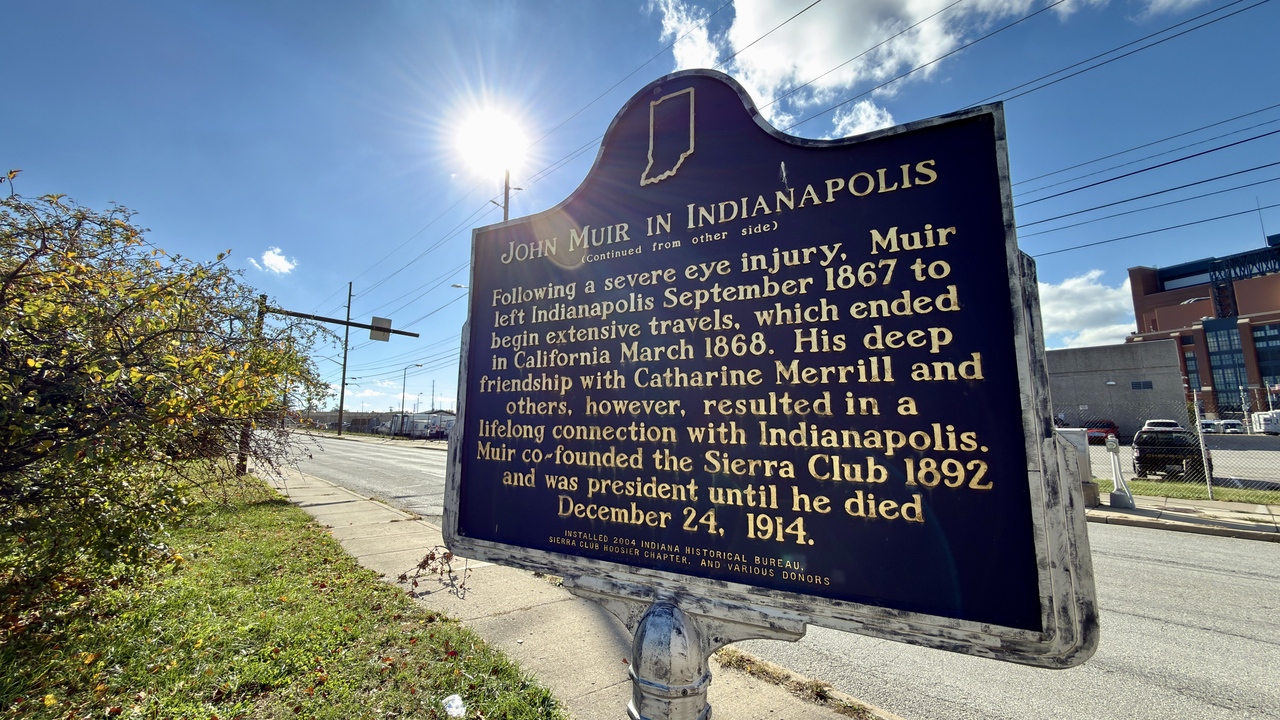
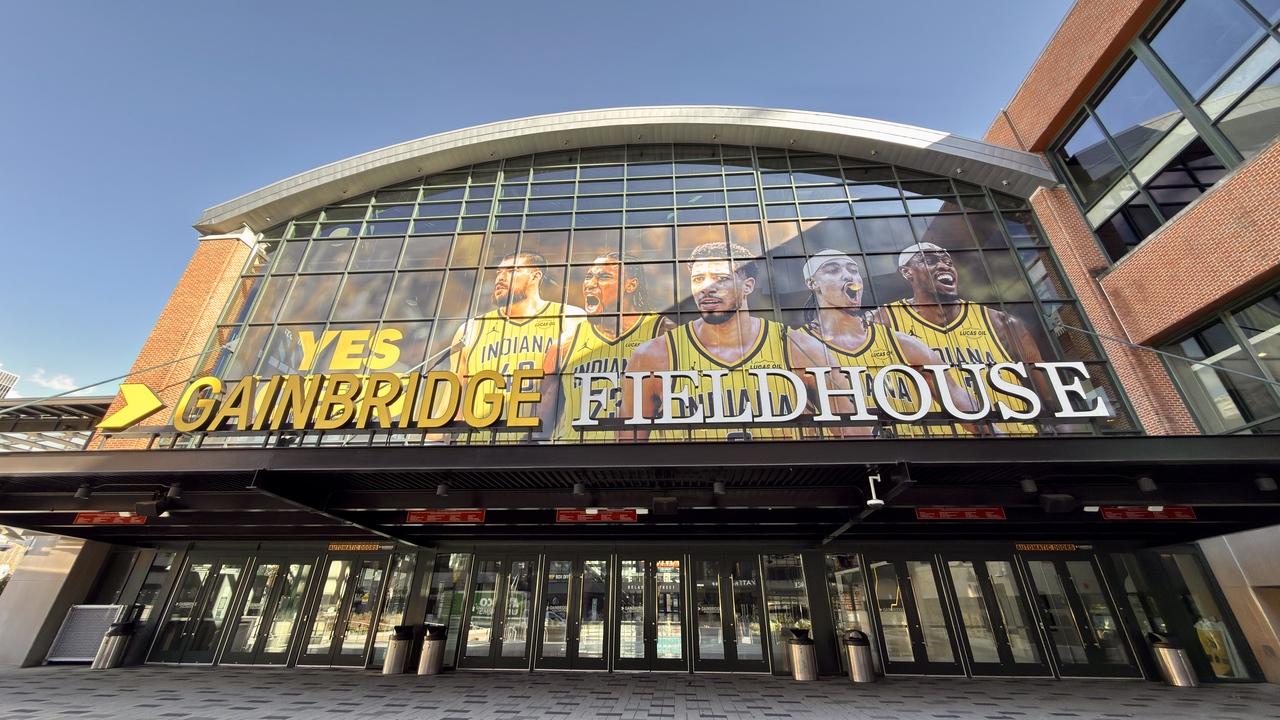
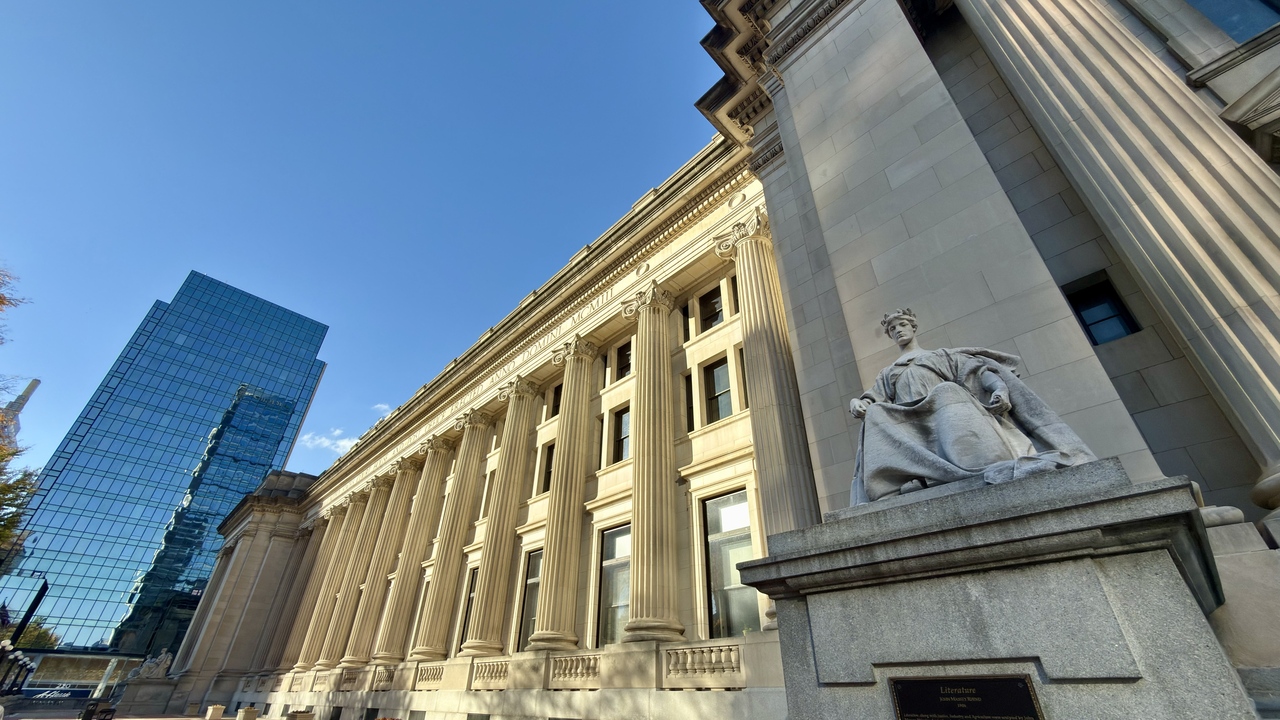
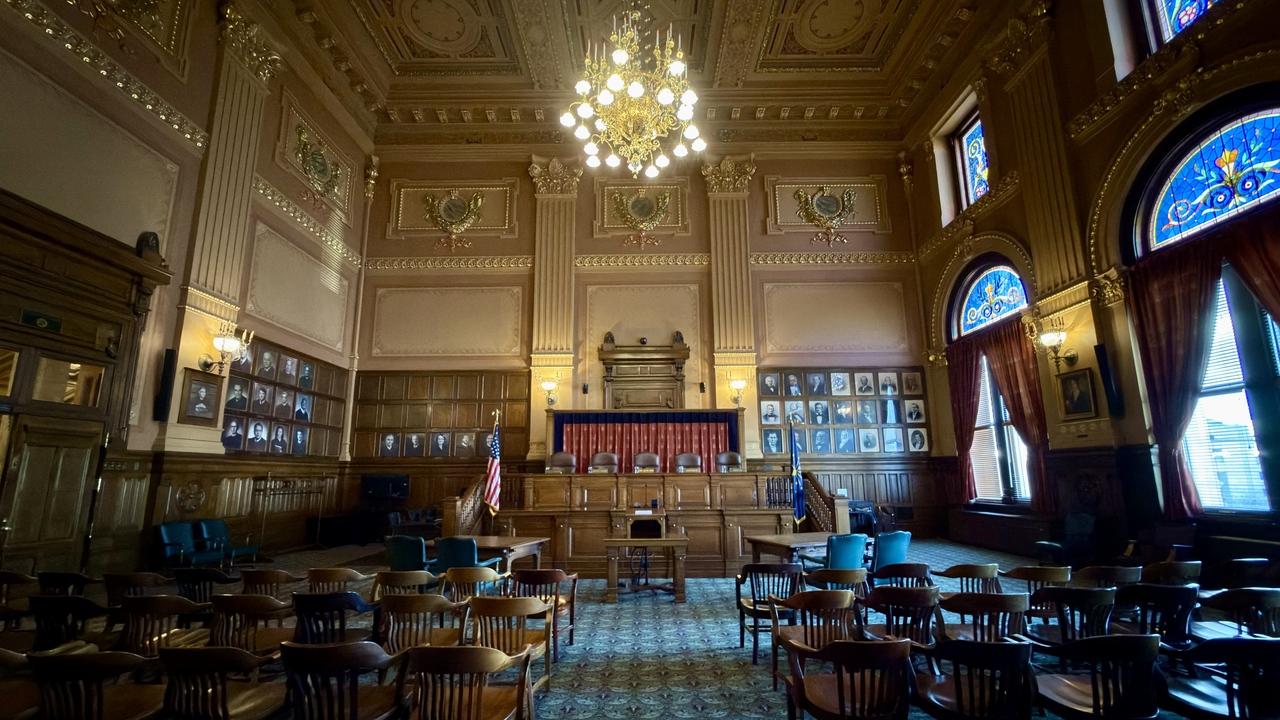
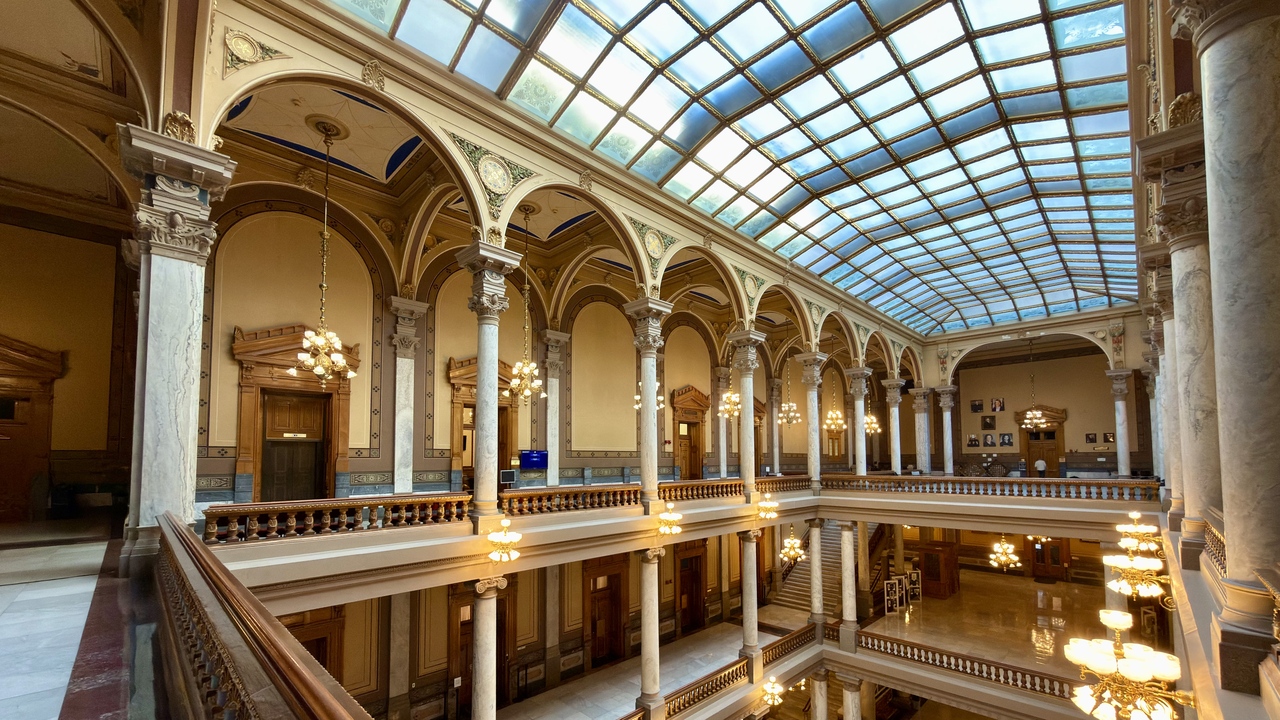
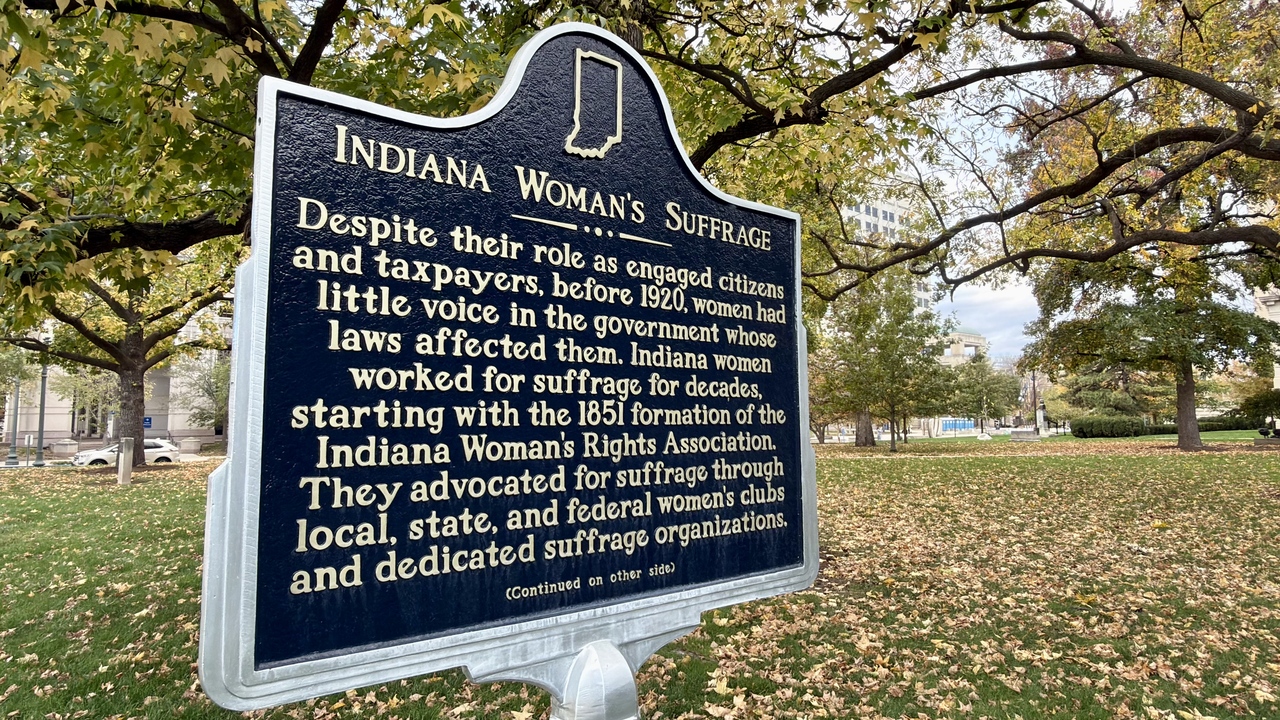
If not for powers above my pay grade, Naptown USA might not have been my home for much of Week #14. The 600+ miles were punctuated with usual limb-stretching pit stops and in spite of weaving into and out of Central time zone and construction / single-lane patches of various lengths, the drive felt like a Louis Armstrong number. Mini little breaks from Thursday and Friday long working hours with my cousins facilitated running with Laura along the the B&O Trail, picking my race packet from the expo (and chat with Julia) and a mini little walking tour of the downtown that included a brief visit with Matt at USATF, took me inside the magnificent Statehouse (i.e., the Capitol) and added a couple more pins along the John Muir Trail … not the one in the Sierra Nevada Mountains in California but one of John‘s life that exists purely in my head: the former site of Osgood, Smith and Co. (later renamed as Woodburn Sarven Wheel Company) – a business producing wagon and carriage hubs where he worked for about a year creating efficient machinery and processes and the area not too far from there where he lived.
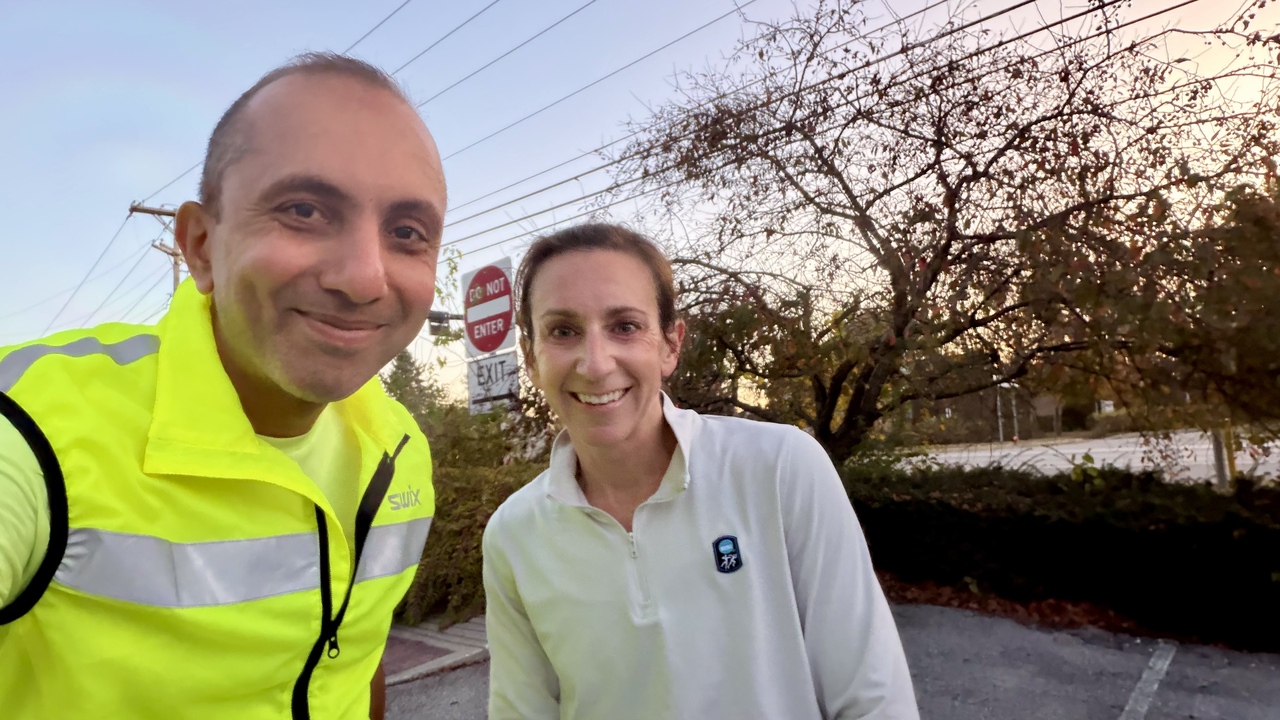
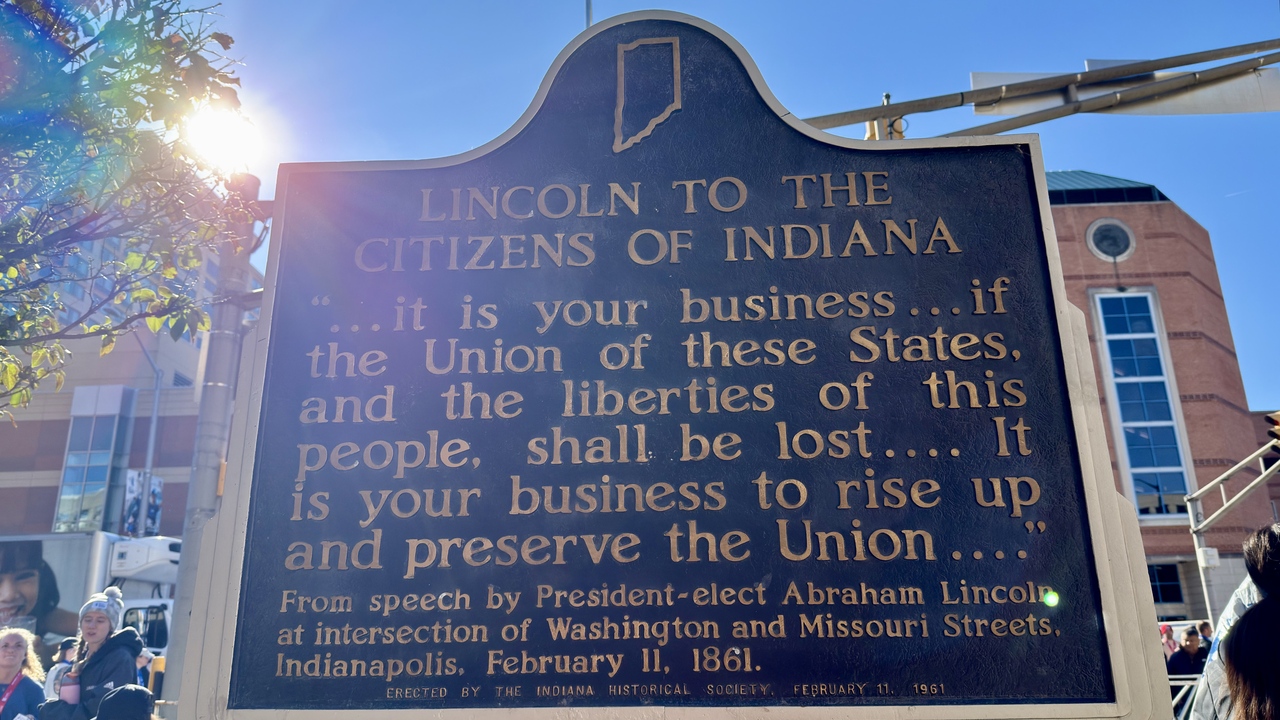
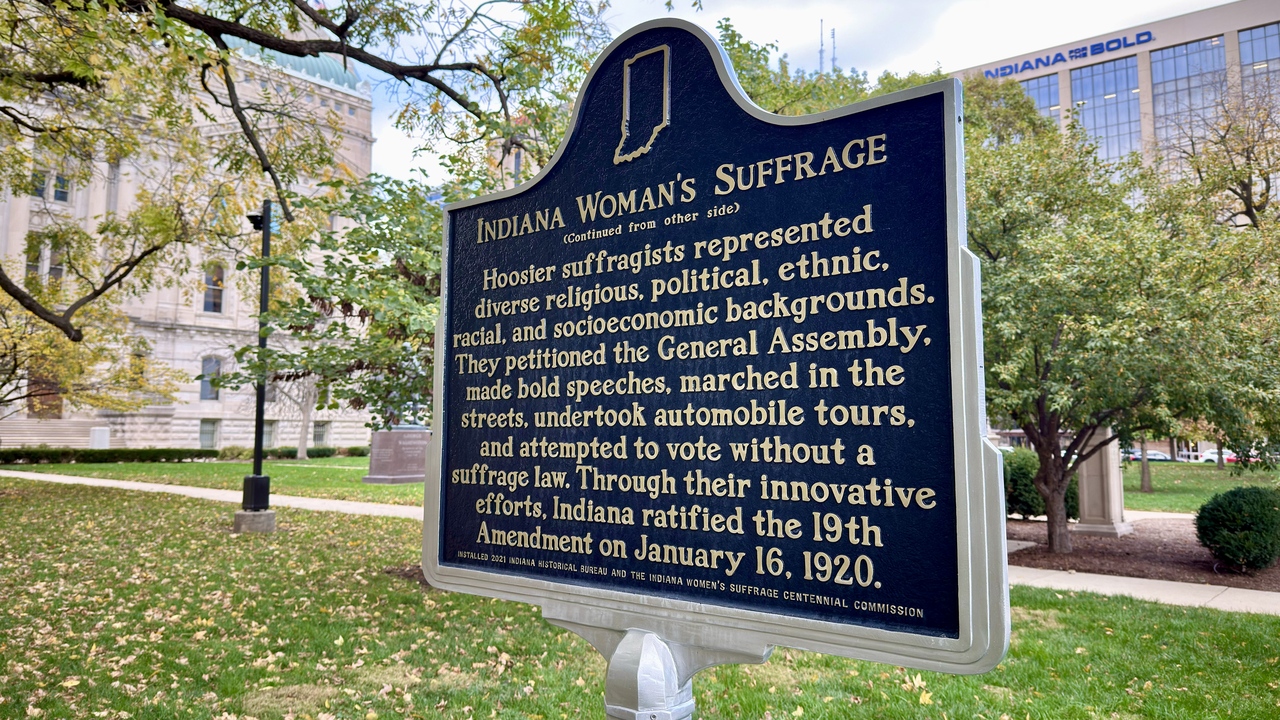
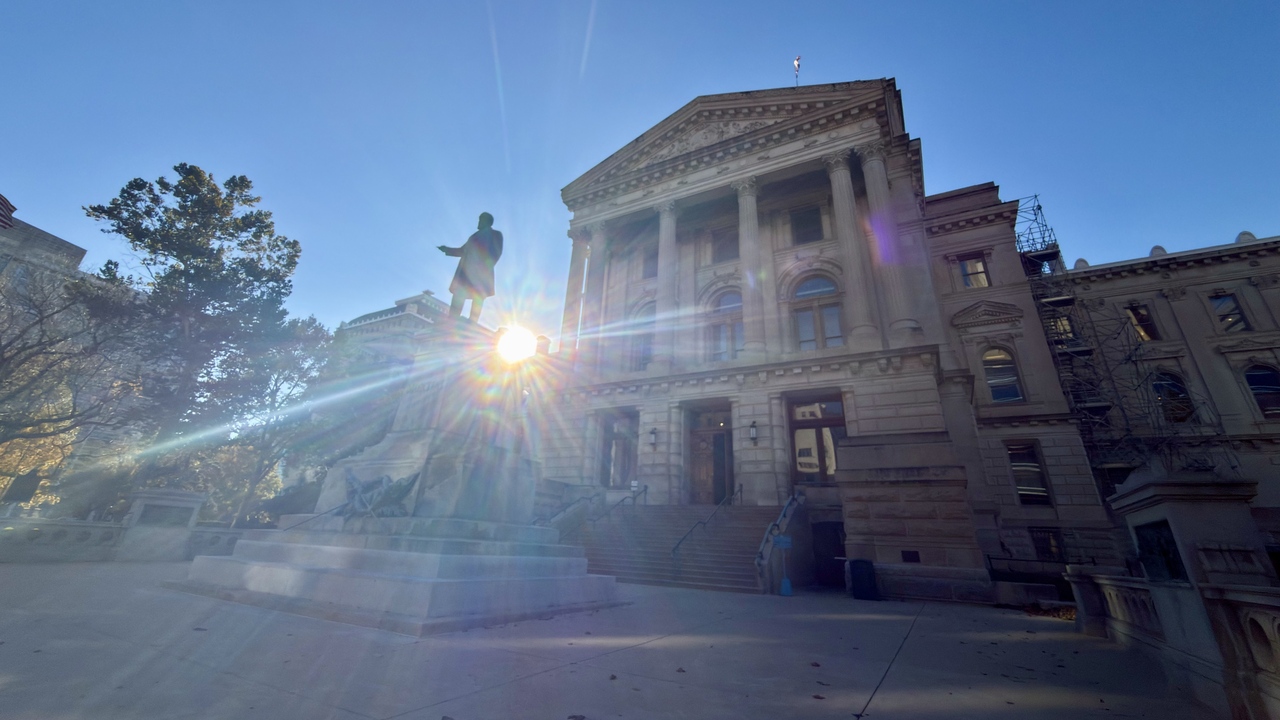

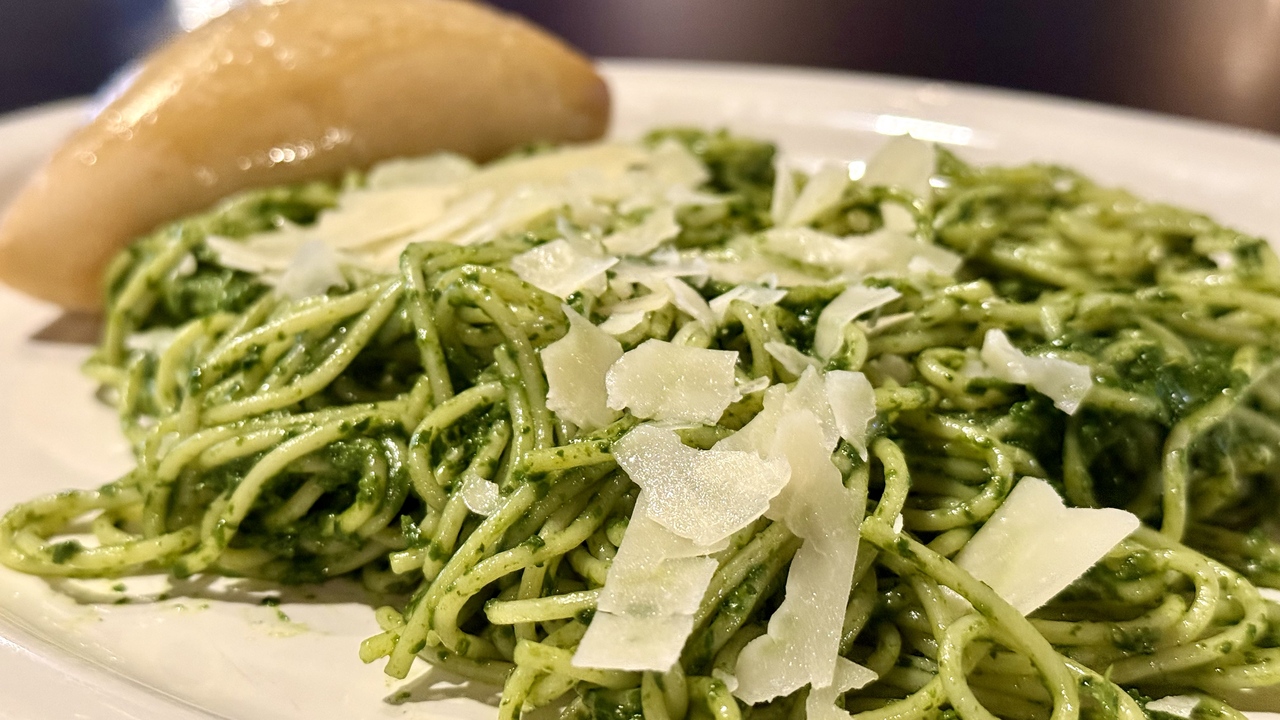
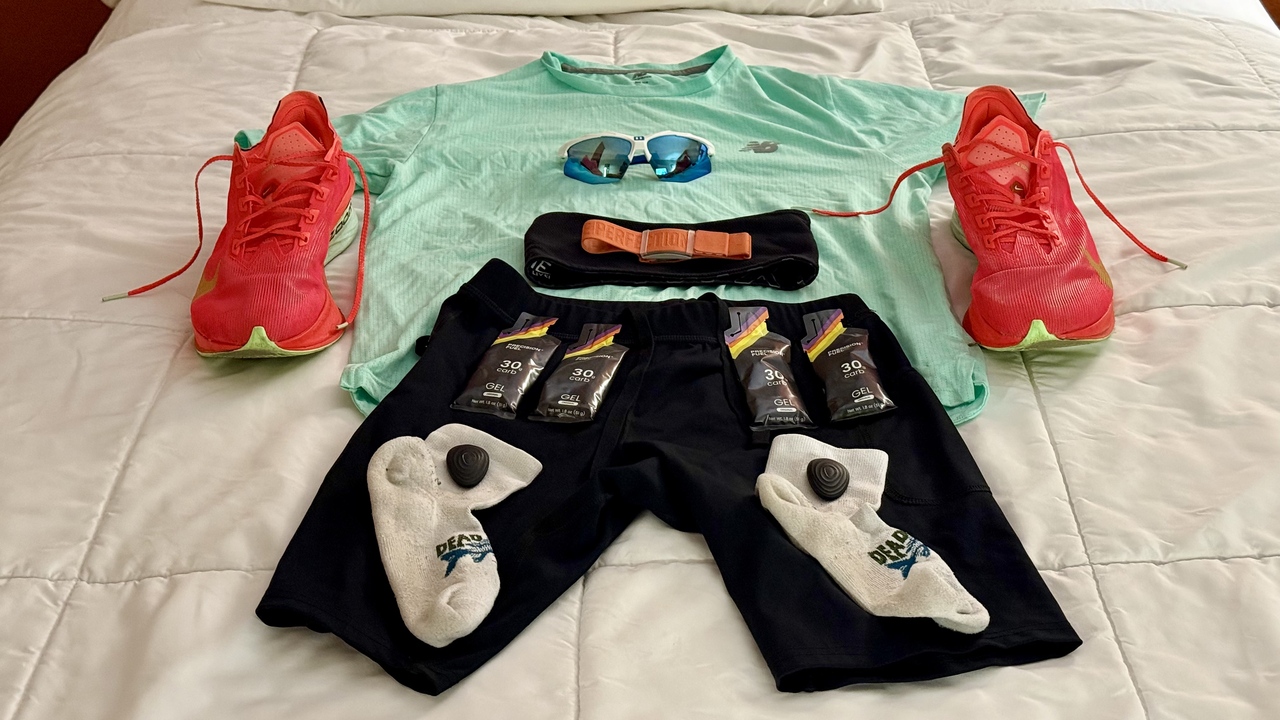
After wrapping up work and an early but a hearty meal at Nonna’s with my cousins on Friday, it was time to look back. Adding some hopeful objectivity to an otherwise subjective review revealed that … (a) 20:35 5k (~6:35 min/mile) from a week ago translated to 1:34:30 half marathon (~7:10 min/mile) according to Dr. Jack Daniels’ VDot tables, (b) nearly 95% of my runs had been solo and I had consistently run about 5-10 sec/mile faster when surrounded by like-minded and good folks, and (c) albeit at about a 60-90 sec/mile slower than 7:10 min/mile, I had been able to consistently negative split in a handful of long runs. Thus, the race strategy was as follows: start with the 1:35 pace group, stay with them through mile 7 and make a move, keep my cranium in da stadium and be where my feet are, ingest sufficient nutrition at planned intervals, and finish at 1:32:30 (+/- 0:02:00, for Science). After carefully packing the essentials (2D layout of what I’d be wearing on the run and warmer / dryer clothes for afterwards), I called it a night around 8:15-8:30 pm.
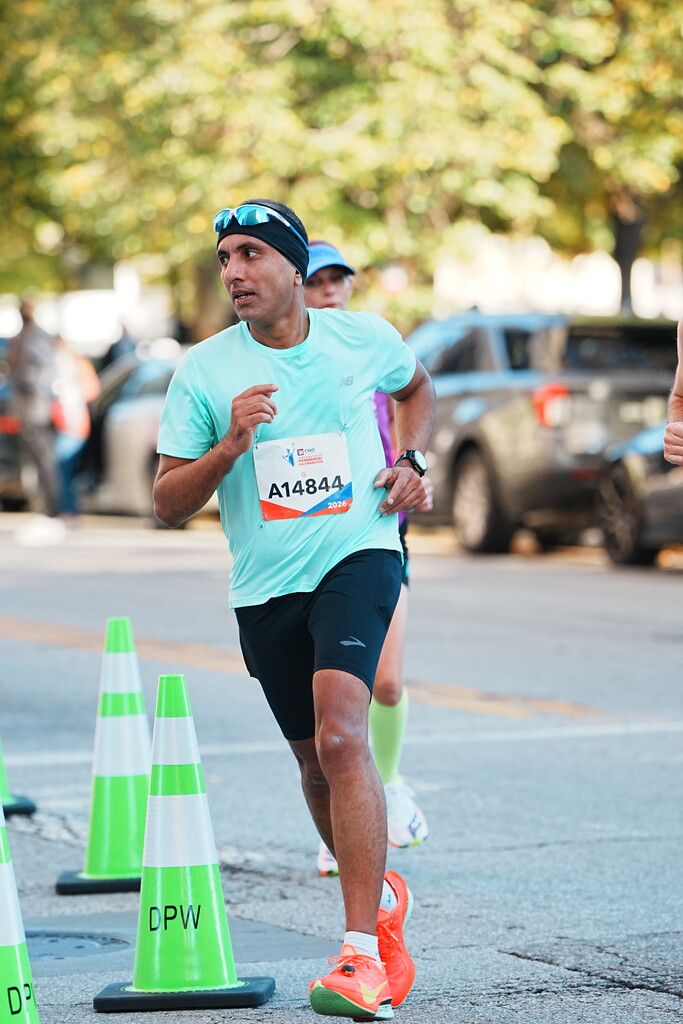
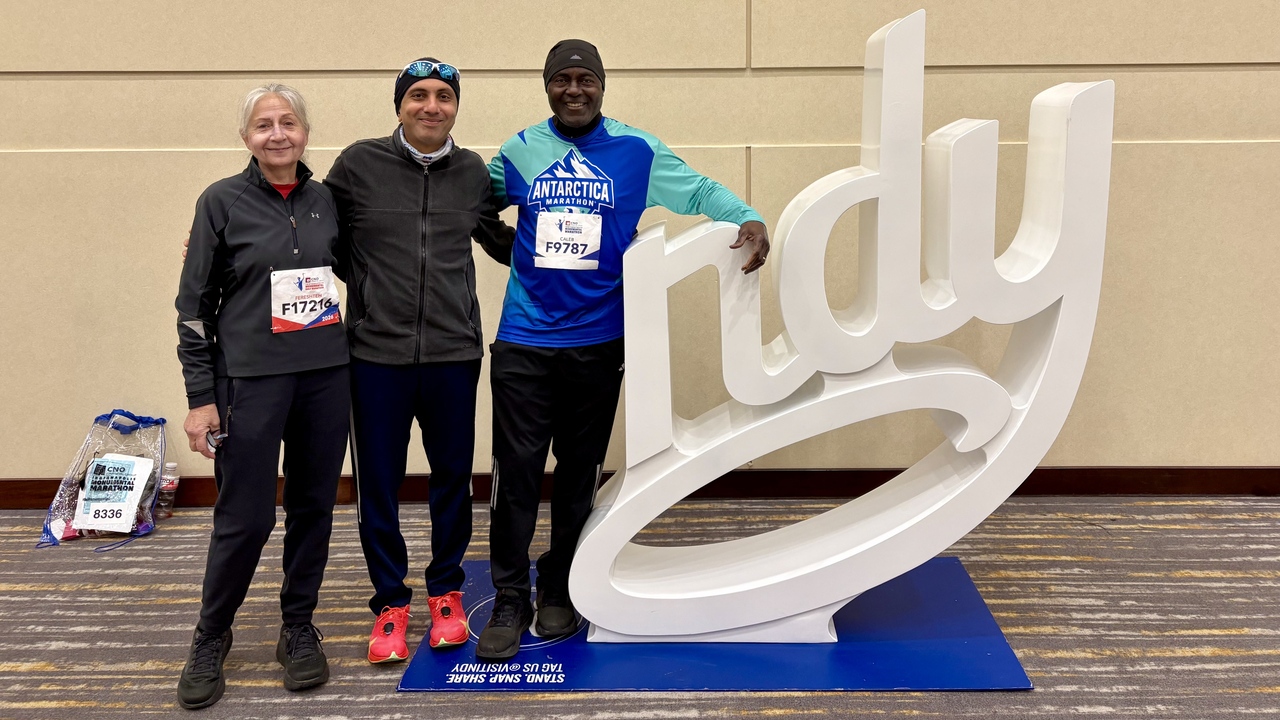
Sleep was intermittent and 3:30 am on Saturday came after a reasonable quantity and quality of sleep. The drive to the start and finding a parking garage of choice were easy … in spite of construction for several miles. Given the size of the field, I didn’t think I’d find any space to complete the W/U routine at all … but the organizers had opened up the Indiana Convention Center to provide space (and much needed warmth) for everyone! After spending 90-ish minutes with new friends (Caleb, Fereshteh and more), I skipped the bag drop area (my car, with its proximity to the start/finish line, was a better choice) and got into the corral early enough to avoid unnecessary hustle. In spite of looking around carefully and engaging the services of my fellow runners, I could not find the 1:35 pace group anywhere around me. As I shed some of the extra layers, the race plan changed to run my run and run by effort, keep my cranium in da stadium and be where my feet are, ingest sufficient nutrition at planned intervals and finish at 1:32:30 (+/- 0:02:00, for Science).
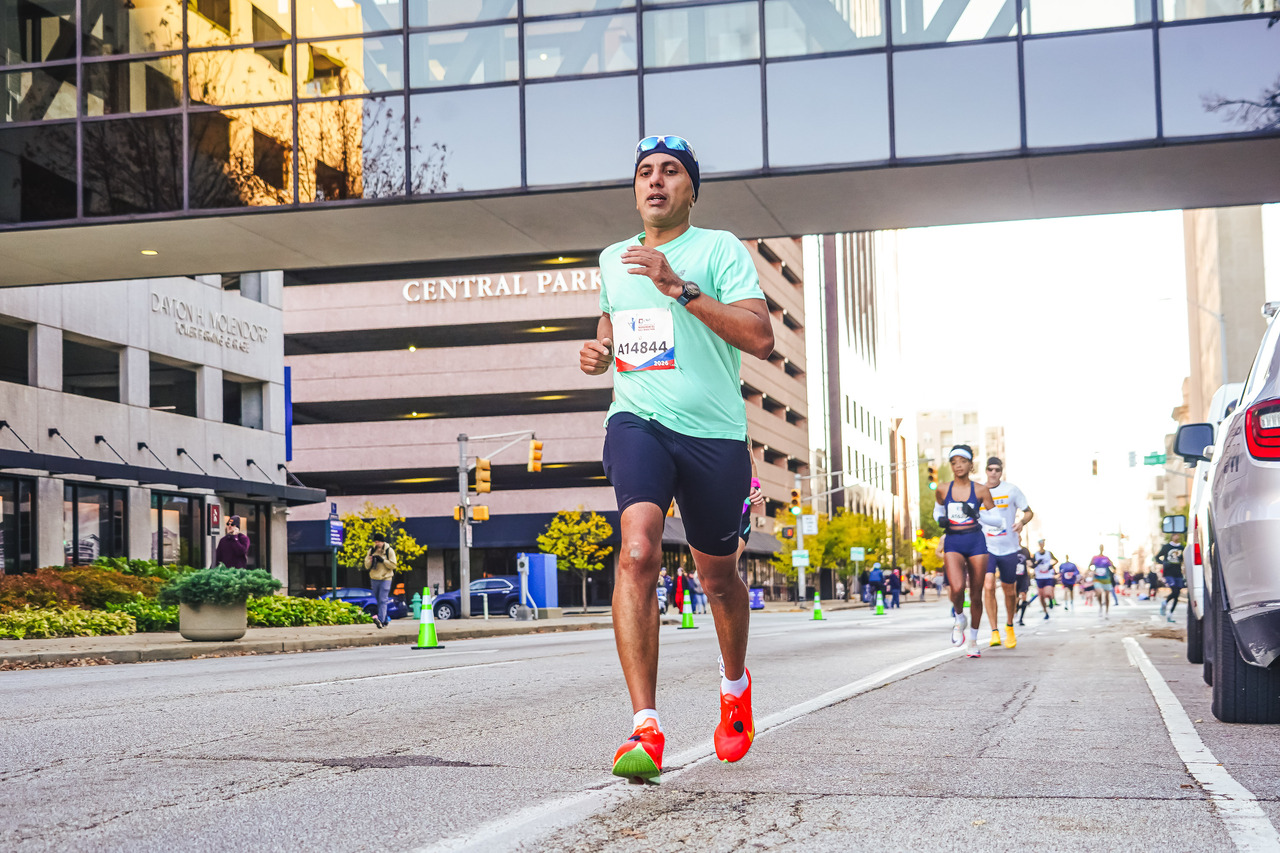
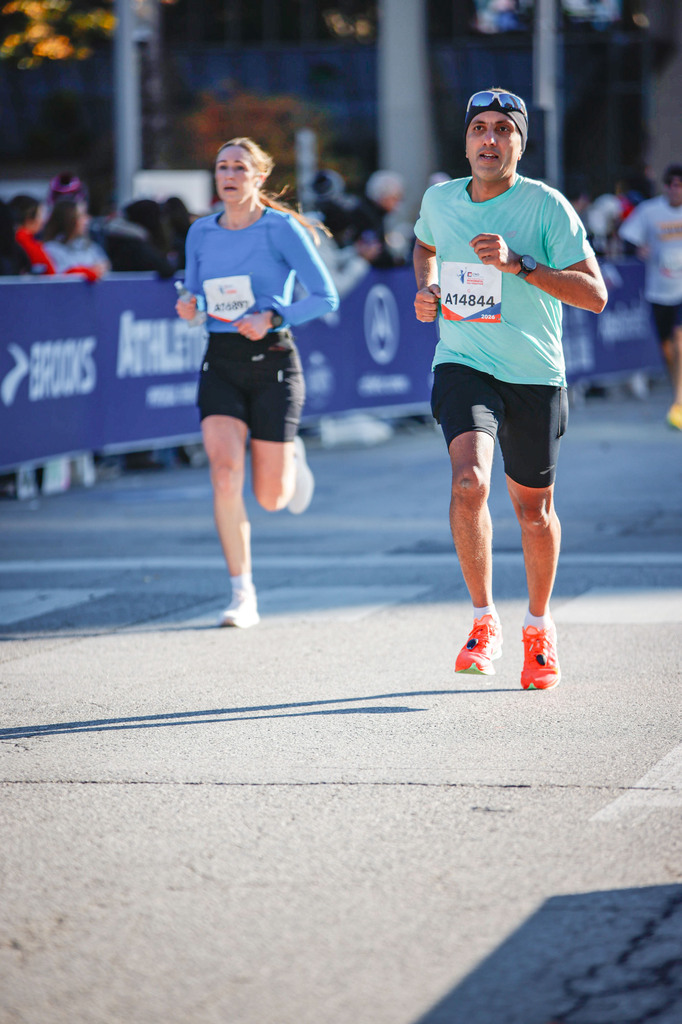
The event started after a few brief announcements from the likes of Emma Grace Hurley, a beautiful invocation (that certainly helped calm any remaining nerves about my inability to find the desired pace group), the presentation of colors and a rendition of our our National Anthem. The event started on time, and commoners in Corral A were sent off 2 minutes after the elites. Running solo or unattached to any group (sounds weird to say/write since there were so many people around me) and running by effort miles ticked by fairly quickly. Almost all additional layers of clothing (e.g., buff and a long sleeve t-shirt) were gone before mile 3 and the garden gloves (wet from poor handling of hydration handoff on my part at two aid stations) found a curb by mile 6. Thanks to the organizer’s policy, I didn’t have to worry about influencers and their God-awful selfie sticks / live narration of their performance.
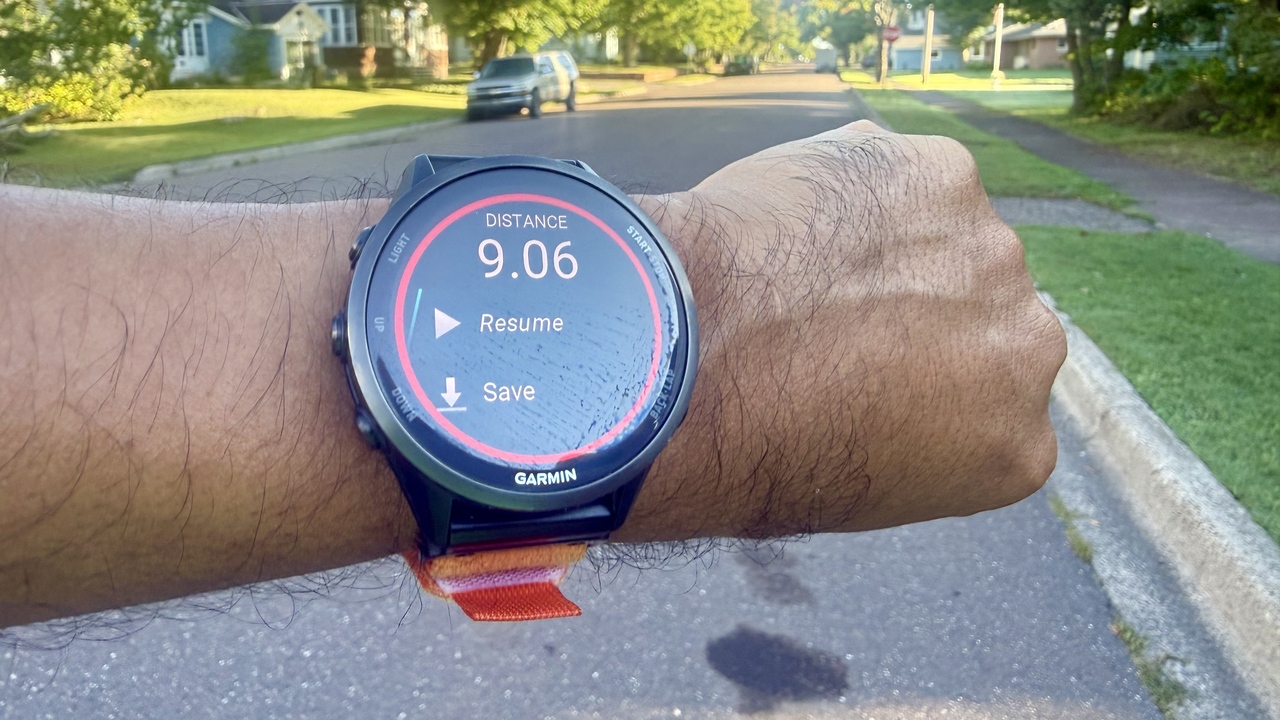
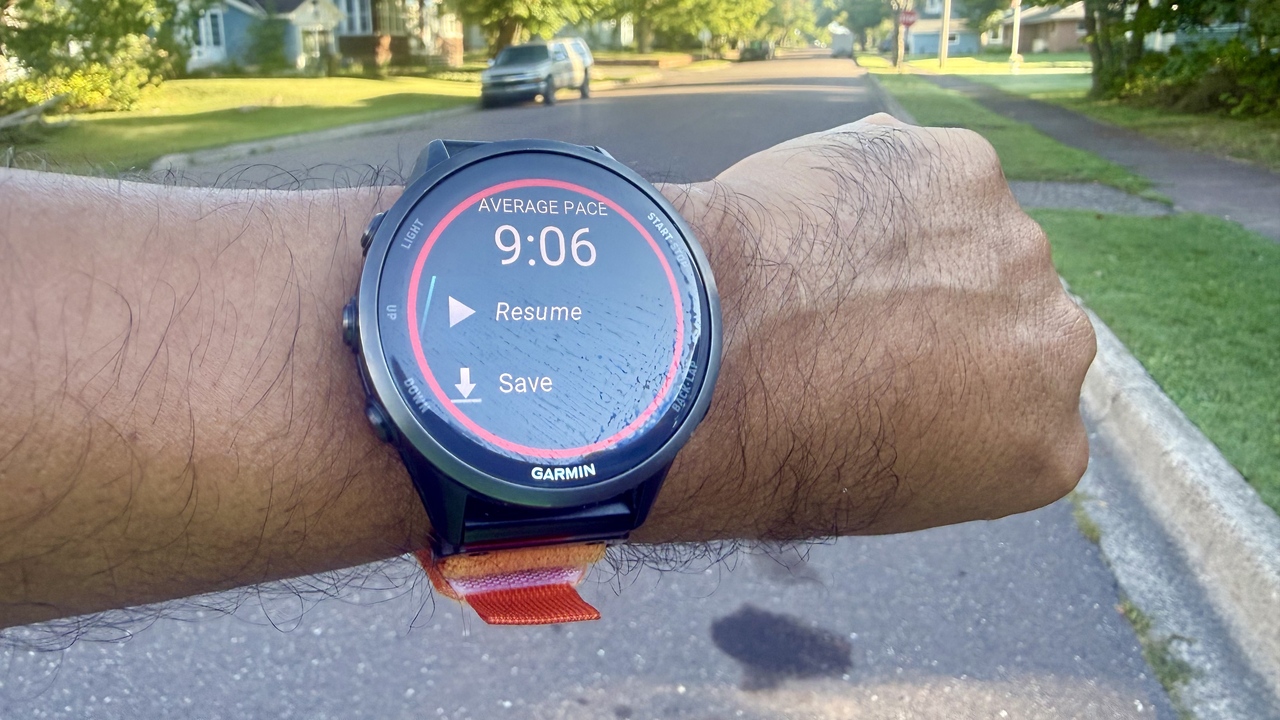
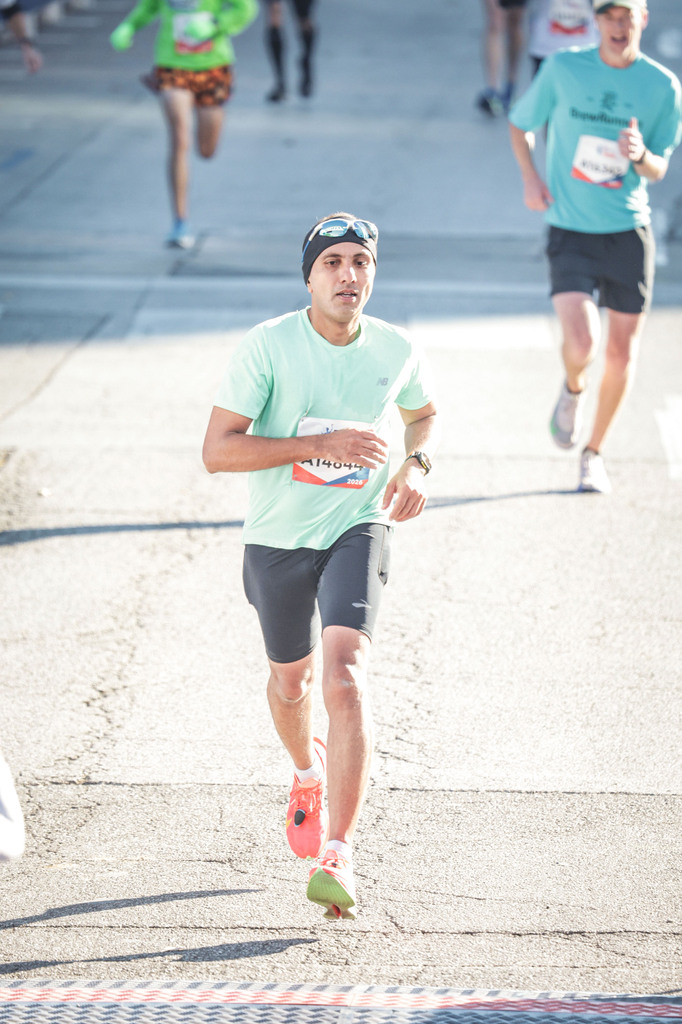
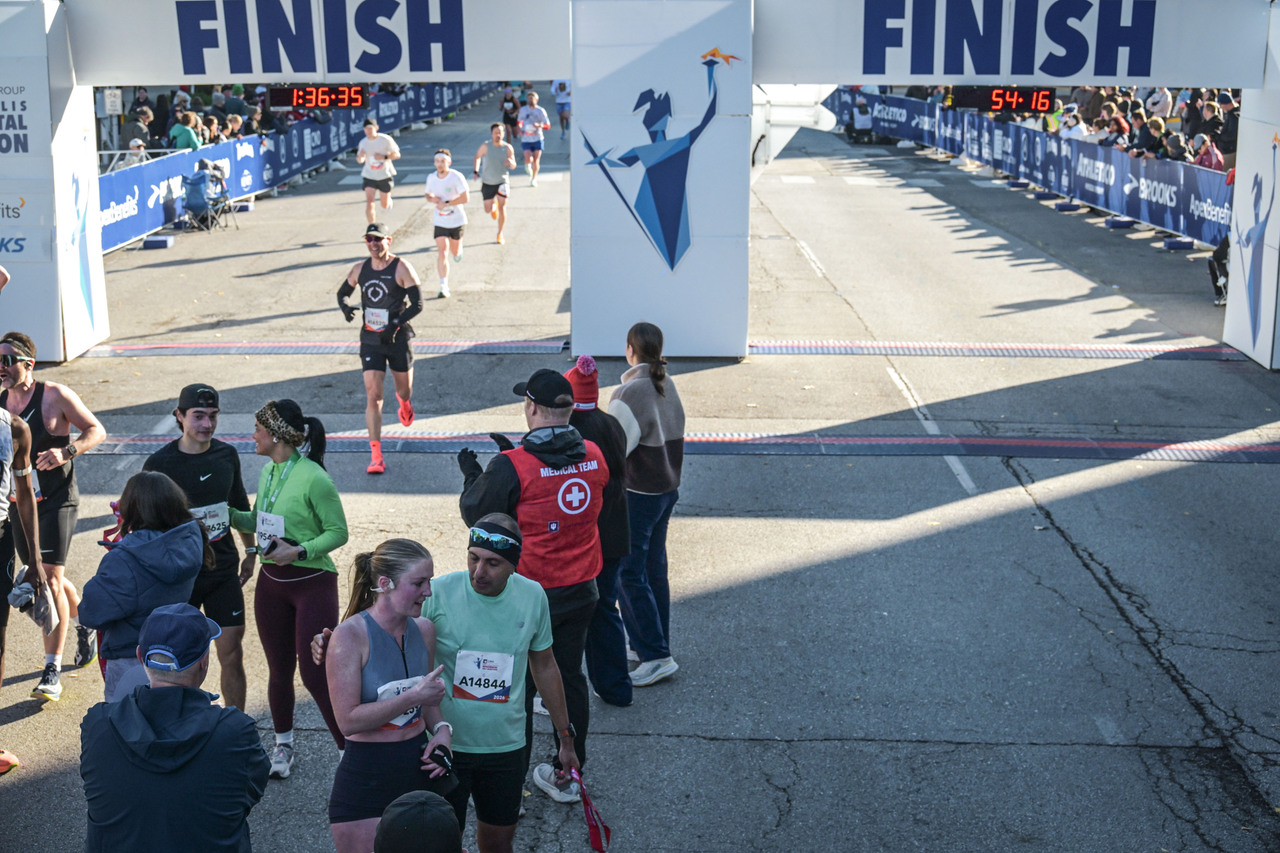
Keeping in mind what I had shared with Nils the day before and what Brent had shared with me a couple weeks ago, unwarranted thoughts stayed where they needed to and the quickly passing miles also felt pretty ease-y and very peace-y. The certifiably positive energy from the volunteers and spectators alike and a tailor-made day for running and the terrain scraped and leveled flat by glaciers were also very vital in maintaining the planned effort level and executing the plan. I am not really sure the status of the Central Governor Model – proposed by A V Hill in 1920s and popularized by Tim Noakes’ research nearly a century later – in current times, but it was alive and kicking just fine after seeing/hearing Jeff, Laura and Luis not too far from the finish line. On the back of blessings beyond the scope of my understanding who kept me healthy, on track, accountable and provided support and guidance over these 14 weeks and 13.1-ish miles (THANK YOU!), I crossed the finish line as the official clock showed 1:33:35.
GoalsListed in order of importance |
||
|---|---|---|
| # | Description | Status |
| 1 | Train smart by practicing chunking, pacing and nutritional strategies and show up healthy. | Yes |
| 2 | Race smart by implementing practiced chunking, pacing and nutritional strategies. | Yes |
| 3 |
Finish under 1:43:30
(7:53 min/mile ≡ 4:53 min/km; 7.61 mph ≡ 12.25 kmph).
Improve upon the event PR from 2021 Indianapolis Half Marathon. |
Yes |
| 4 |
Finish under 1:32:22
(7:02 min/mile ≡ 4:22 min/km; 8.53 mph ≡ 13.73 kmph).
Improve upon the formal PR from 2019 Marquette Half Marathon. |
No |
| 5 |
Finish under 1:31:38
(6:59 min/mile ≡ 4:20 min/km; 8.59 mph ≡ 13.83 kmph).
Improve upon the informal PR from 2020 Solo Time Trial. |
No |
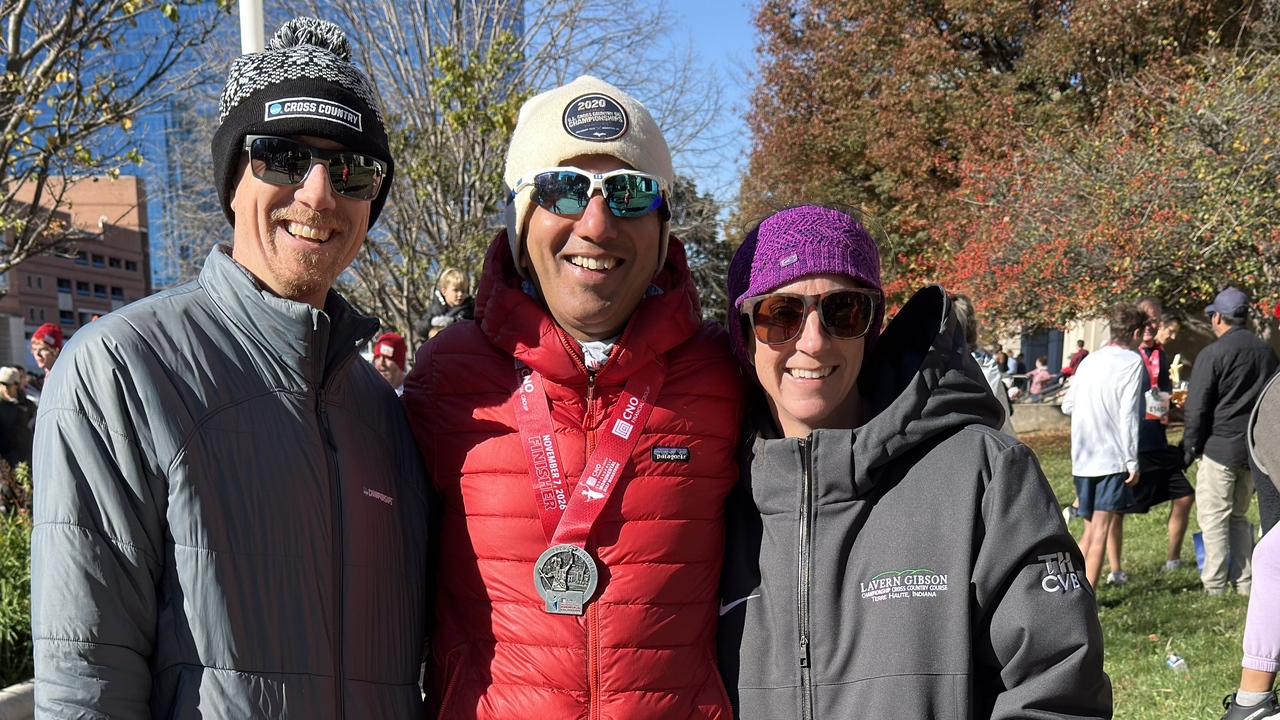
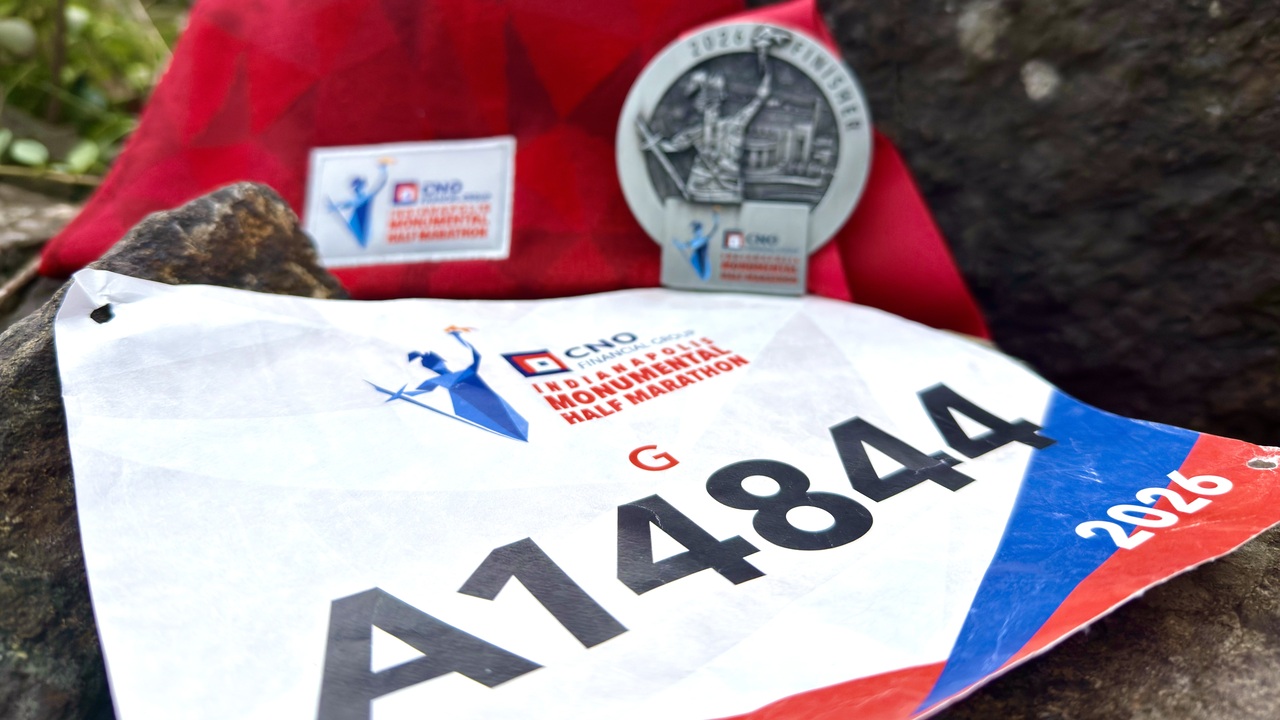
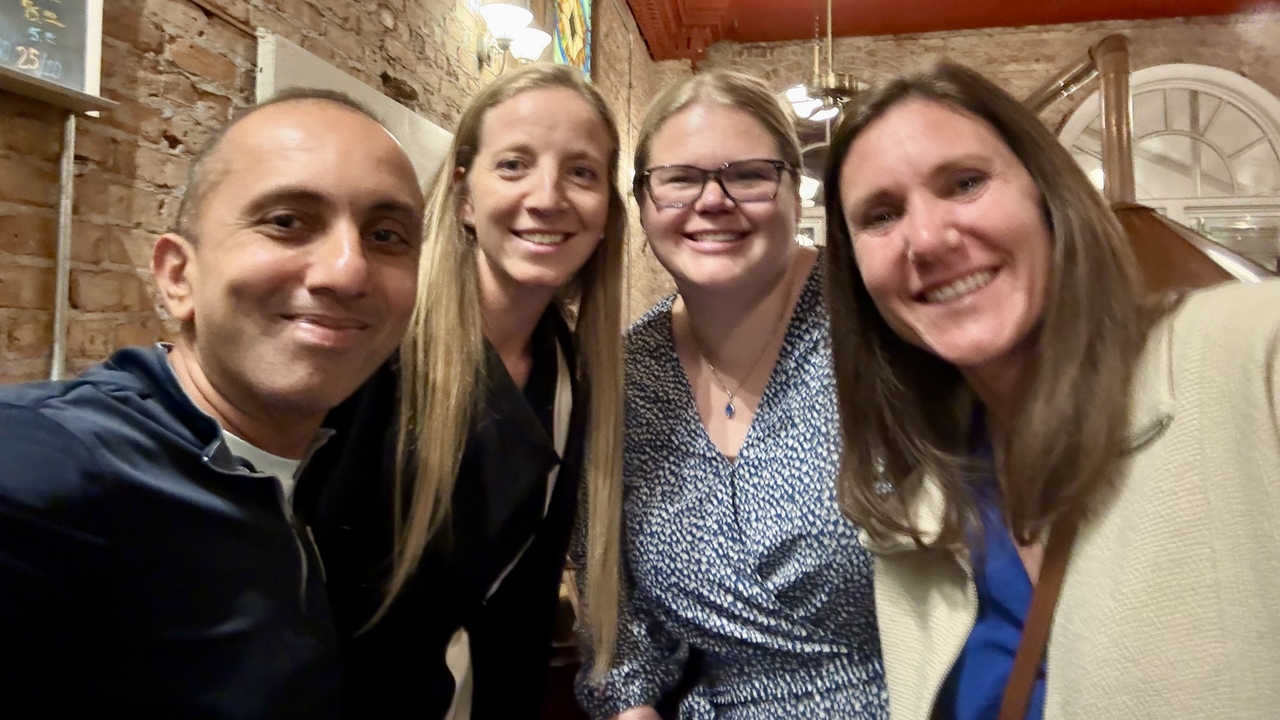
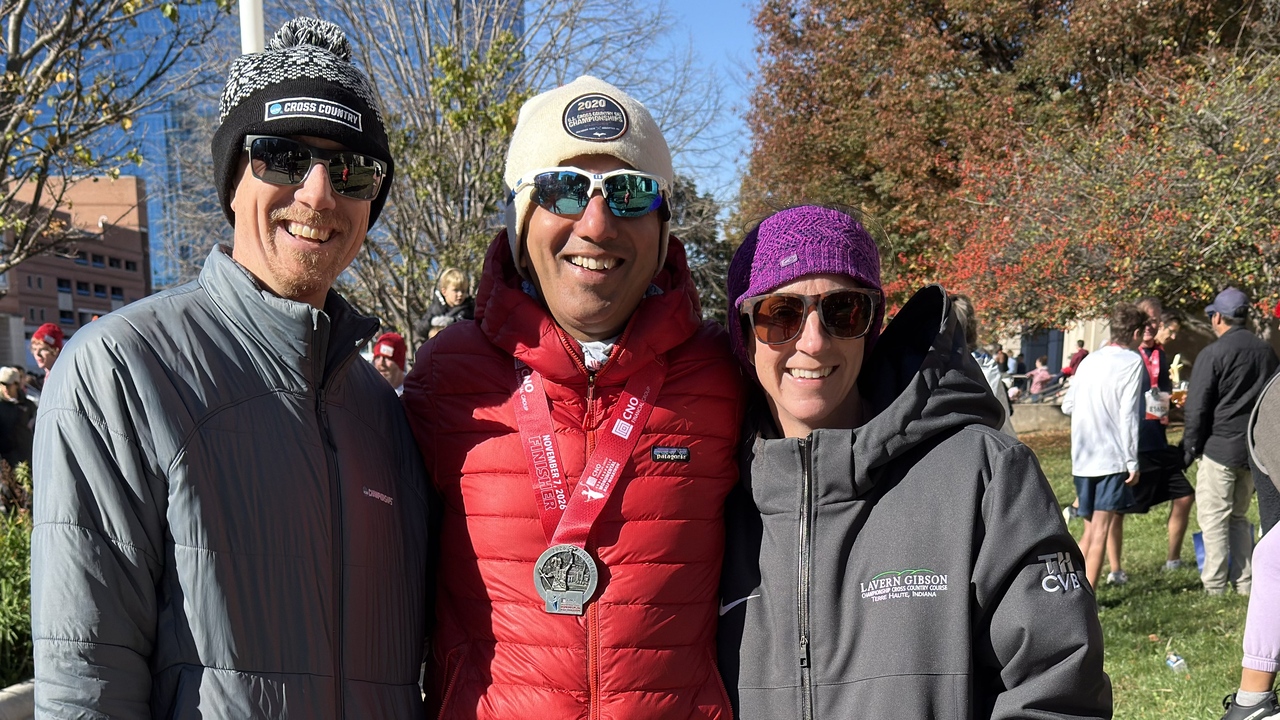
After stopping the Garmin and saving the effort for posterity, I picked up the commemorative medal, a Mylar blanket, a beanie and a few other goodies that made the post-finish area walk feel like a mini Midwestern shopping trip (in a good way, a really good way) and the volunteers even handed out a bag to safely transport all the acquisitions. A slow but happy movement while thanking volunteers and fist bumping fellow runners brought me back to the car … to wipe some of the blood, sweat, tears, salt stains, etc. away and change into warmer clothing. Immediate post-run activities included catching up with Jeff and Laura (and friendly Yoopers, Huskies and Wildcats) as they took me west of the West Street and around the NCAA Hall of Champions and more, and the not so immediate post-run activities included a hearty meal and hang time with them, their mini-mes and parental units.
With history as an indicator, I had little to no expectation that a full night of sleep, let alone a restful one, would follow after a hard effort as the one earlier in the day. And history repeated as I woke up a bit stiff and sore around 4:00 am on Sunday. With team work making light work of assigned roles and responsibilities, my cousins and I were afforded the opportunity to head home a day earlier and take care of the rest remotely from the comfort of our respective homes. The drive – albeit quite long and included stops for fuel, a short run in Illinois, food in Wisconsin and a short nap in a rest area off an interstate – was quite smooth and uneventful.
da Takeaways
The roughly 3.5-month stretch from early August through early November 2026 was devoted to a deliberately prolonged period of seemingly unremarkable groundwork punctuated by periodic tests / time trials to assess the process and progress. For anyone familiar with the nuances of endurance training and the pursuit of long-term athletic development, this approach should come as little surprise. Its underlying leitmotif is a principle both sacrosanct and profoundly quotidian: commitment to consistency … coupled with specificity tailored to the demands of the target event and its distance (or if one prefers the language of love and Romance, c’est pas compliqué).
Reflecting with the advantage of hindsight … while there exist ever evolving / varying levels of commitment, consistency and specificity, it felt like I just knew this and hadn’t necessarily practiced it as well as I could/should have in recent years / seasons / training blocks (or to be completely honest, fooled myself into believing that I had indeed been practicing it to the best of my abilities). The last time I had done something similar pretty well – honestly training for the sake of training and training for fun without focusing on a race and being consistent sans time trials – was during our pandemic era … when we didn’t know when it’d end and when the races would return. As I did back then, I found this approach to be not only methodical but also very enjoyable … without the self-imposed pressure of a real race or a quixotic race pace.
In spite of knowing about A Trade-Off Between Cognitive and Physical Performance, With Relative Preservation of Brain Function, I hadn’t necessarily practiced its findings beyond a handful of events (e.g., 2018 Chicago Marathon – thanks to the collective advice from John and Kara, 2023 Grandma’s Marathon – thanks to Craig’s and Jeff‘s company, and not counting training outings). Even when results were in the neighborhood of many a pre-event expectations, I didn’t have to look too far back (or deep) to find the number of occasions where I had let one or more negative thoughts persist longer than they needed to. This time around, however, dig as I might … the closest to a negative thought I could find was minimal whining about a hill … that wasn’t any more than a few feet of ascent as the course took us over a highway.
Personal BestsExcludes time trials; Time in h:mm:ss |
|||||
| # | 5k | Time | Time Behind | ||
| 1 | 2022 Thatcher Markham Memorial Run | 0:19:49 | - | ||
| 2 | 2019 QCRC Trick or Trot | 0:20:10 | 0:00:21 | ||
| 3 | 2019 Thatcher Markham Memorial Run | 0:20:33 | 0:00:44 | ||
| 4 | 2024 Thatcher Markham Memorial Run | 0:20:44 | 0:00:55 | ||
| 5 | 2026 QCRC Trick or Trot | 0:20:45 | 0:00:56 | ||
| # | Half Marathon | Time | Time Behind | ||
| 1 | 2019 Marquette | 1:32:22 | - | ||
| 2 | 2022 Canal Run | 1:32:41 | 0:00:19 | ||
| 3 | 2019 Bridges and Bluffs | 1:33:06 | 0:00:44 | ||
| 4 | 2026 Indianapolis | 1:33:35 | 0:01:13 | ||
| 5 | 2023 Queen City | 1:36:14 | 0:03:52 | ||
While I didn’t earn a new PR for any distance, I got within 55 seconds of my lifetime best 5k (2022 Thatcher Markham Memorial Run) and within 75 seconds of lifetime best half marathon (2022 Thatcher Markham Memorial Run) in back to back weeks. And, each of the first four 5k splits in Indianapolis – 22:04, 21:35, 21:54 and 22:11 – were all faster than a standalone 5k (22:45) 14 weeks ago. I would like to believe that a combination of these approaches and asking for help when necessary to stay accountable are here to stay for the long haul. For now, it’s time for a short break before starting anew to incorporate a few more items into the next training block.
Onward and upward!



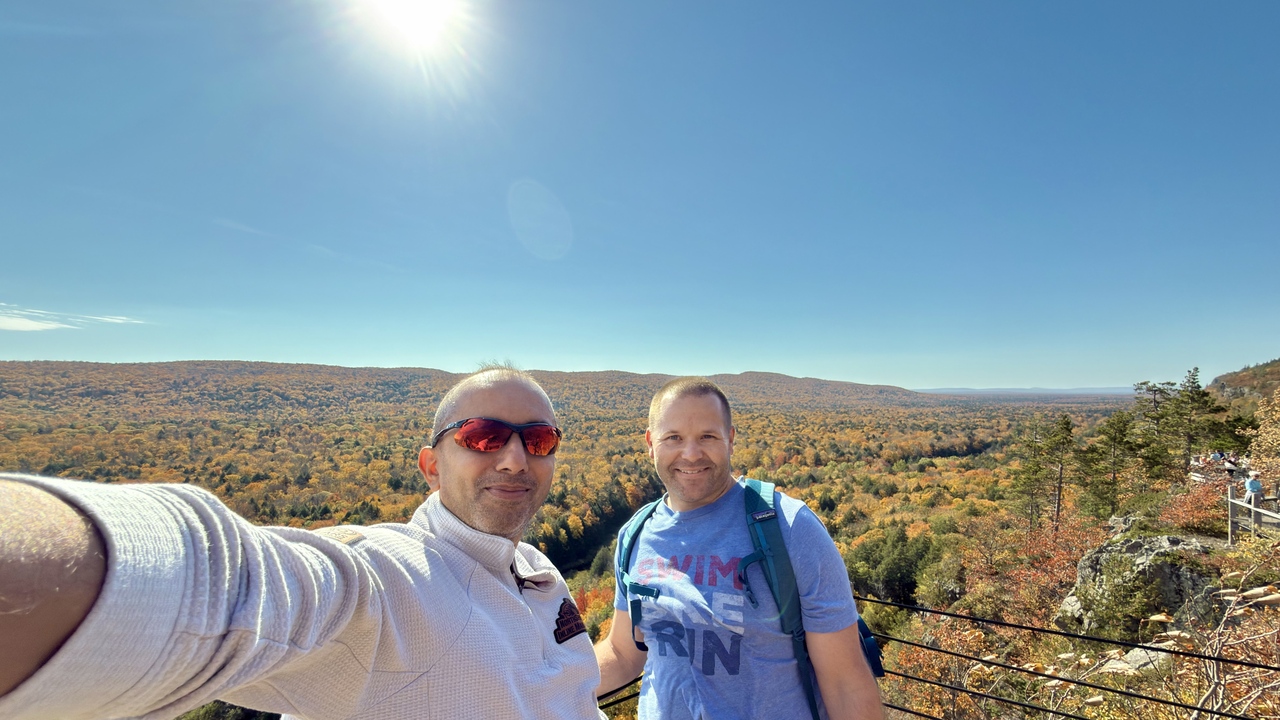
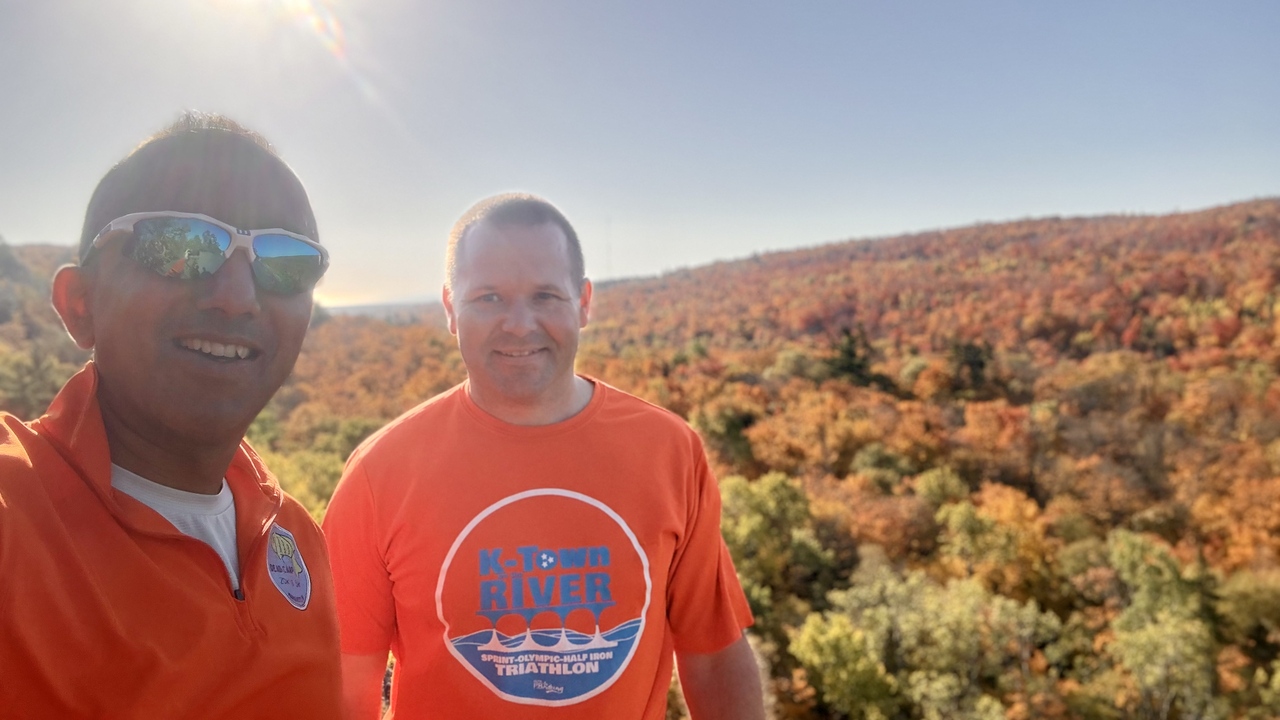
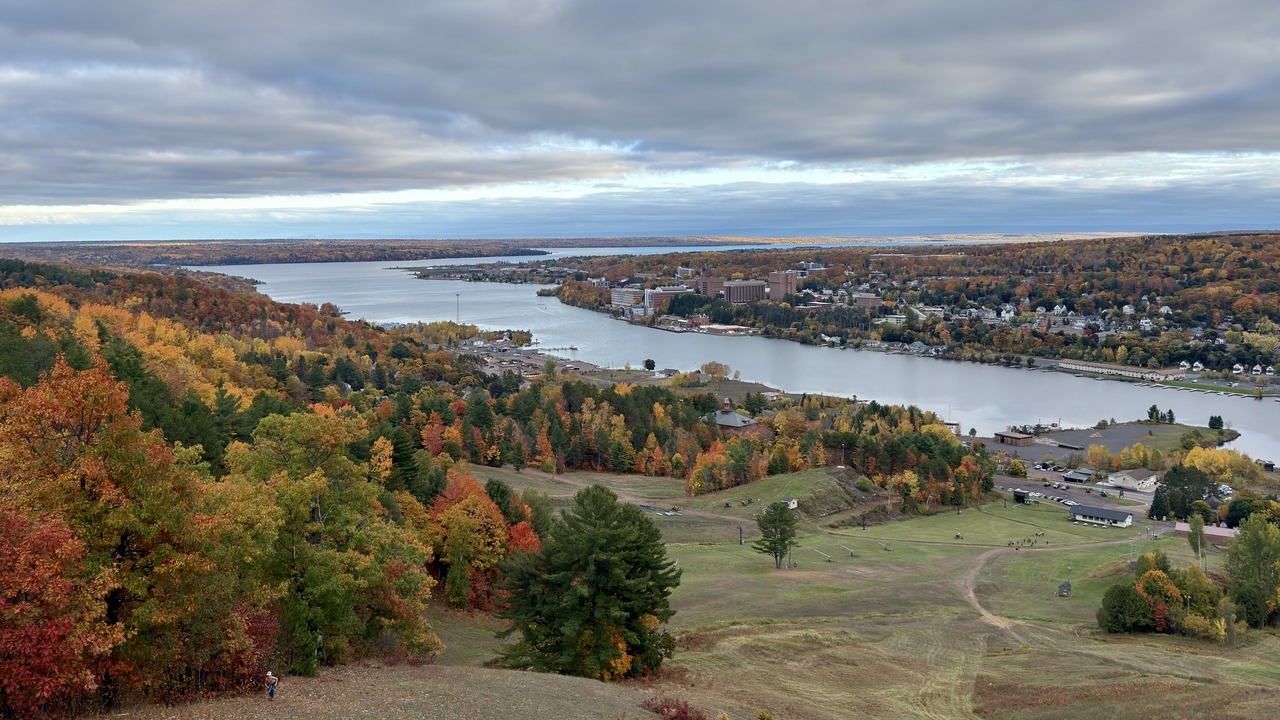

Thanks be to
the rejections and opportunities life has brought my way, event folks (organizers, sponsors, volunteers, timers, law enforcement officials, photographers, fellow participants and spectators) and my family of good friends, mentors and coaches in and outside of my community for all the unexpected, undeserved and unrewarded acts of kindness and constant encouragement as well as offerings of constructive criticism to improve myself as a human and an athlete. I am eternally grateful to all those who let me train with them, who shared their meals and experiences with me, who helped keep me in good health, who helped me stay the course, and who cheered me on from home or along the course.