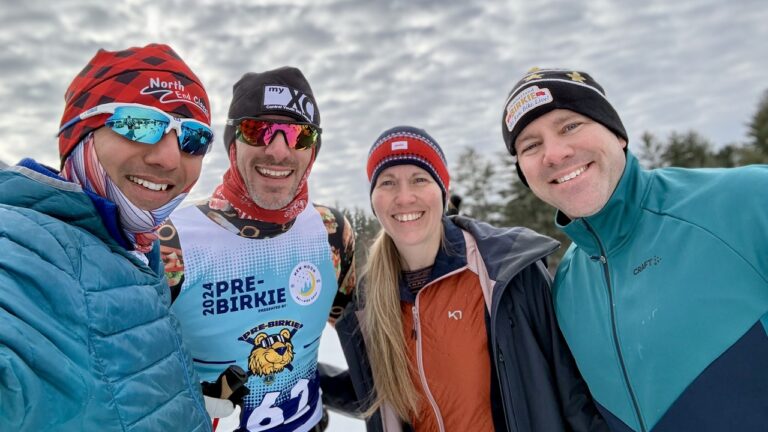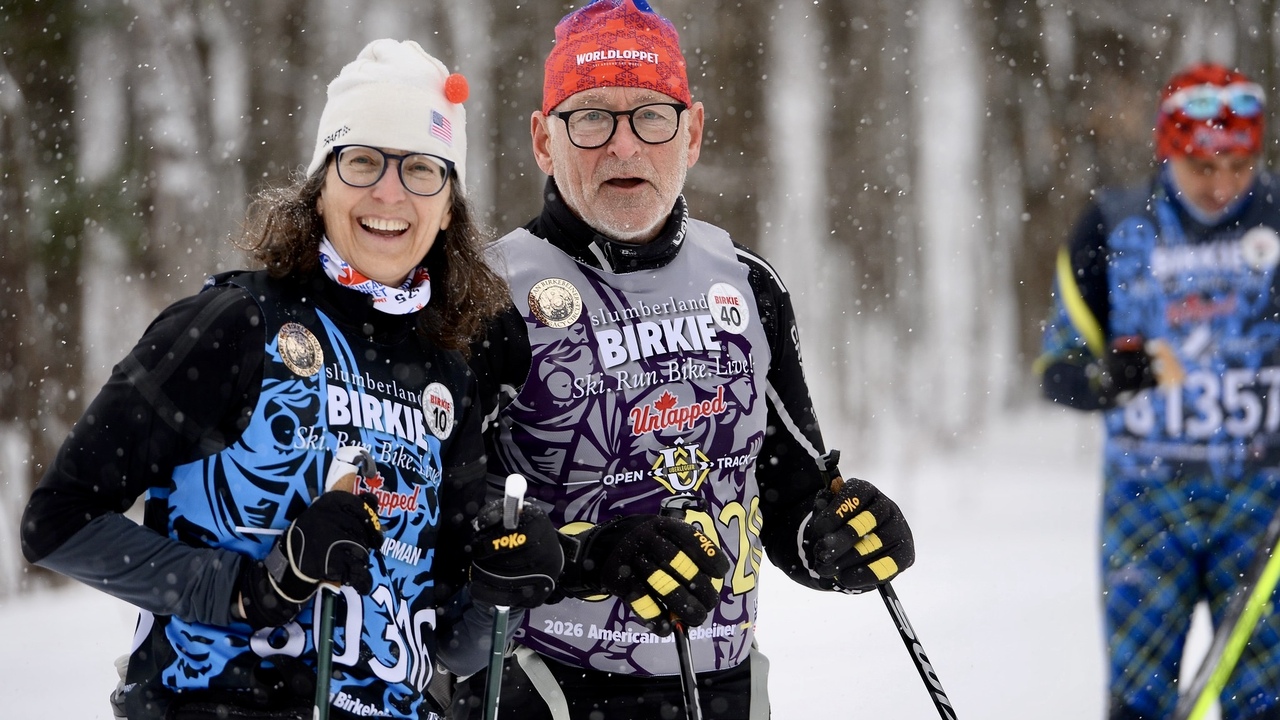
After a disappointing DNF in 2025 – my only one so far in cross country skiing and I had no one but myself hold accountable for it, my primary goal for the 2026 edition involved something I had done several times before … complete both the 29 km Kortelopet and 53 (or 55) km Birkie … except switch the order of events: 53 km Birkie Classic on Wednesday during Open Track and 29 km Kortelopet on Friday and volunteer on Saturday. As plans tend to do, they changed prior to (read: work commitments) and during (read: Mother Nature) the Birkie Week. Apart from getting a good measure of improvements since the SISU Ski Fest, Noquemanon Ski Marathon, Pre-Birkie and North End Classic and taking stock of things that need to be worked on, these changes and new mistakes brought plenty of memorable experiences my way.
da Preparation
Around the year 1200, two rival groups - the Baglers and the Birkebeiners - shared the identical goal of controlling the entire country. King Sverre's death in 1202 meant some decrease in the power of the Birkebeiners. The Birkebeiners were named as such by the Baglers and was originally intended to be offensive (or a slur) - referring to their leggings of birch bark, indicating that they were poor and incapable. King Sverre's successor (King Håkon Sverresson) died only two years later, leaving his son Håkon Håkonsson as the ultimate target for the Baglers to get rid of as the contender to the throne.
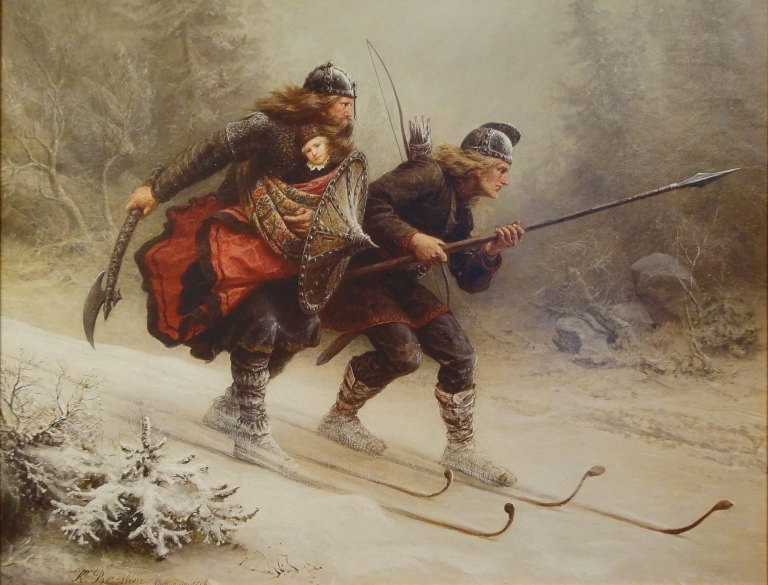
The name, Birkebeiner, carries a sense of pride, strength and endurance. The story of his rescue is etched in history. It's something thousands of people, participating in the historical races every year - Birkebeinerrennet since 1932, American Birkebeiner since 1973 and Canadian Birkie since 1987 - keep striving for. All who race do it test their own strength and endurance but also to honor the courage of the woman and men who risked their lives to save a young prince and bring peace to their country.
In the days leading up to the event, Mother Nature decided to try out some of Her Spring-y outfits and in turn, throw some curve balls … at least for kick waxing. As I had done prior to every event this Winter, I submitted my waxing protocol / recipe for these two events as homework to MikeY on Sunday night. He made time amidst his busy schedule to help me understand the intricacies of waxing – grip and glide – under such variable weather conditions: (a) What do you feel is most important (grip, glide, etc.)? (b) What can you live without? (c) How much of the course has what condition? (d) How long can you suffer? etc.
If wax companies and ski shops didn’t offer the detailed recommendations that most of us often / sometimes take for granted, I would have gone with … (a) I was confident in my ability to climb the hills and had been getting better at handling downhills as well as relaxing during descents (so, glide would be slightly more important), (b) it wouldn’t have been fun to slide backwards on some of the towering ascents (so, a reasonable kick would be something I couldn’t live without), (c) weather folks had predicted the Hwy OO to be a tentative boundary between different forms of precipitation but majority of the major climbs were between the start and OO and the course between OO and finish could be considered downhill, and (d) if things went haywire on my way to Hayward, I could suffer for about 5-6 hours.
2025-26 Training Locations |
|||||
|---|---|---|---|---|---|
RollerskiTime in h:mm:ss, distance in kilometers and elevation gain in meters |
|||||
| # | Location | Count | Duration | Distance | Elevation |
| 1 | USA | 17 | 15:32:28 | 169.82 | 519 |
| 1 · 1 | US » Michigan | 15 | 14:00:23 | 154.00 | 463 |
| 1 · 1 · 1 | US » MI » Calumet | 9 | 8:28:08 | 95.73 | 336 |
| 1 · 1 · 2 | US » MI » Chassell | 1 | 0:57:48 | 10.80 | 18 |
| 1 · 1 · 3 | US » MI » Drummond Island | 1 | 0:54:35 | 10.08 | 57 |
| 1 · 1 · 4 | US » MI » Hancock | 2 | 1:35:22 | 16.44 | 26 |
| 1 · 1 · 5 | US » MI » Marquette | 2 | 2:04:30 | 20.95 | 22 |
| 1 · 2 | US » Wisconsin | 2 | 1:32:05 | 15.83 | 55 |
| 1 · 2 · 1 | US » WI » Cable | 1 | 0:30:59 | 5.60 | 39 |
| 1 · 2 · 2 | US » WI » Green Bay | 1 | 1:01:06 | 10.22 | 15 |
| Total | 17 | 15:32:28 | 169.82 | 519 | |
| Average | 0:54:51 | 9.99 | 31 | ||
Cross Country SkiTime in h:mm:ss, distance in kilometers and elevation gain in meters |
|||||
| # | Location | Count | Duration | Distance | Elevation |
| 1 | USA | 48 | 65:51:27 | 558.14 | 6589 |
| 1 · 1 | US » Michigan | 41 | 55:39:18 | 461.01 | 4741 |
| 1 · 1 · 1 | US » MI » Active Backwoods Retreat | 1 | 1:21:17 | 15.96 | 175 |
| 1 · 1 · 2 | US » MI » Baraga County Trails In Motion | 1 | 1:33:25 | 6.71 | 85 |
| 1 · 1 · 3 | US » MI » Hancock Trails Club | 1 | 0:54:51 | 6.12 | 78 |
| 1 · 1 · 4 | US » MI » Iron Belle Trail | 1 | 3:02:44 | 20.40 | 142 |
| 1 · 1 · 5 | US » MI » Michigan Tech Trails | 20 | 23:10:01 | 193.25 | 2203 |
| 1 · 1 · 6 | US » MI » Noquemanon Trail Network | 6 | 7:33:26 | 67.91 | 689 |
| 1 · 1 · 7 | US » MI » Swedetown Trails Club | 11 | 18:03:34 | 150.66 | 1364 |
| 1 · 2 | US » Minnesota | 1 | 1:16:18 | 12.90 | 234 |
| 1 · 2 · 1 | US » MN » Piedmont Ski Trail (Duluth Parks & Recreation) | 1 | 1:16:18 | 12.90 | 234 |
| 1 · 3 | US » Wisconsin | 6 | 8:55:51 | 84.24 | 1613 |
| 1 · 3 · 1 | US » WI » After Hours Ski Trails | 1 | 1:11:02 | 10.32 | 135 |
| 1 · 3 · 2 | US » WI » American Birkebeiner Ski Foundation | 2 | 4:41:20 | 47.14 | 1093 |
| 1 · 3 · 3 | US » WI » Ashland Ski Trail Association | 1 | 1:12:15 | 8.55 | 50 |
| 1 · 3 · 4 | US » WI » North End Ski Club | 1 | 0:59:35 | 12.40 | 231 |
| 1 · 3 · 5 | US » WI » Town of Hayward Recreational Forest | 1 | 0:51:39 | 5.83 | 103 |
| Total | 48 | 65:51:27 | 558.14 | 6589 | |
| Average | 1:22:19 | 11.63 | 137 | ||
Since (and including the Pre-Birkie and North End Classic), I had nearly 10 more days of semi-consistent training and a renewed round of inspiration (and awe) from the 2026 Minnesota High School League Nordic State Championships. Quantifying the overall training … I had rollerskied about 170 km (all of them skate and double poling accounted for 50+%) over 15 hours during 2025 Summer and Autumn and cross country skied 560-ish km (375-ish classic and 185-ish skate) over 48 outings spanning approximately 66 hours with about 6,500 meters of elevation gain (not quite the Mt. Everest I would have liked) during the 2025-26 Winter.
While there hasn’t been any shortage of Mother Nature’s blessings or that of our saintly groomers’ magic on a day to day basis, given the limited (time) budget I have been working with … 15 outings were less than 10 km, 28 outings were between 10 and 20 km, 4 outings were between 20 and 25 km, and only 1 outing was above 25 km. So, I hadn’t expected to reach 10x training volume (measured in distance) prior to the event’s distance … the magic of little things adding up over time (thanks to Jason, et. al. who have preached consistency over occasional heroics). A non-negligible portion of this training volume (kilometers, hours and elevation gain/loss) were spent on improving form and technique.
Taking the above listed training and apriori knowledge of the glacier-crafted terrain and about 40% more distance than Pre-Birkie and the predicted weather conditions into account, I believed I could sustain Pre-Birkie-like effort – 37 km in about 205 minutes (i.e., 5:30 min/km) – for the 53 km outing (i.e., 4:45:00) with a 15-minute buffer … while focusing on good form (e.g., lean from the ankle, core crunch, longer glide on each ski, complete weight transfer, knee drive, pole plant, arm follow through and recovery, etc.) and terrain-appropriate technique (e.g., stride, double pole, kick double pole, tuck and step turns at speed, etc.).
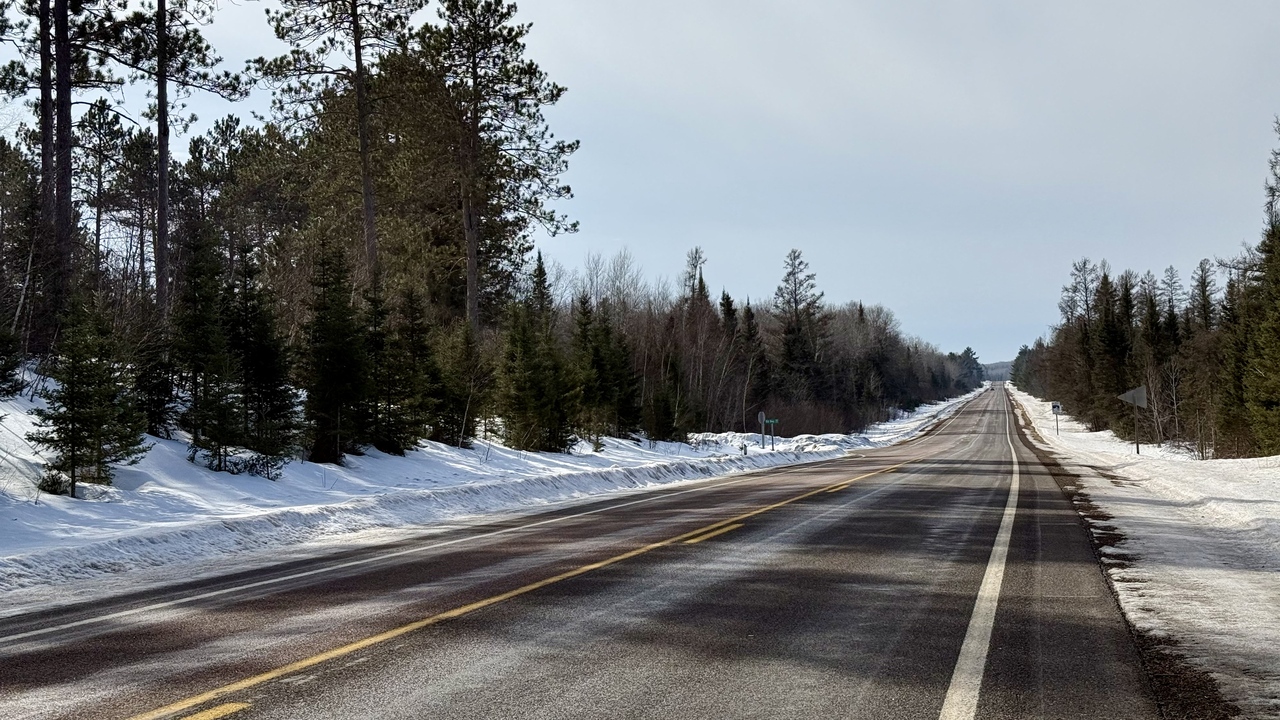
As has been a tradition of mine for nearly a decade now, the week (i.e., Monday) began with a reading of The Race of the Birkebeiners – a children’s book that Christine had borrowed me back in 2016 which summarizes the events that led to the origin of this race really well. In their final update later that night, American Birkebeiner Ski Foundation folks decided to postpone the Open Track events to Thursday – to protect the trails amidst sustained mixed precipitation and the skiers who’d be traversing them from Cable/Seeley to Hayward along some unforgiving terrain. The decision changed many skiers’ plans or at least put a little wrench in it. But in the grand scheme of things and with the greatest good for the greatest number for the longest possible time motto as the backdrop, I believe it was the correct decision. I wrapped up almost all preparation (i.e., packing and glide waxing the skis) by Monday night.
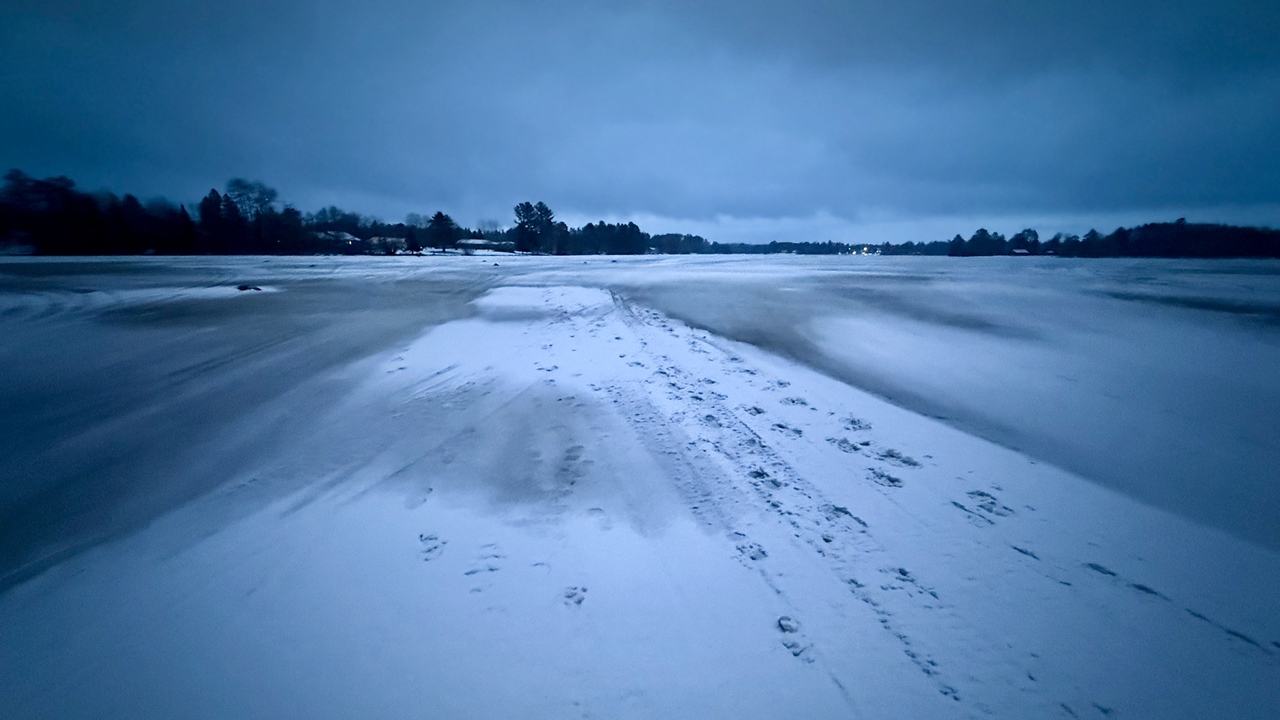
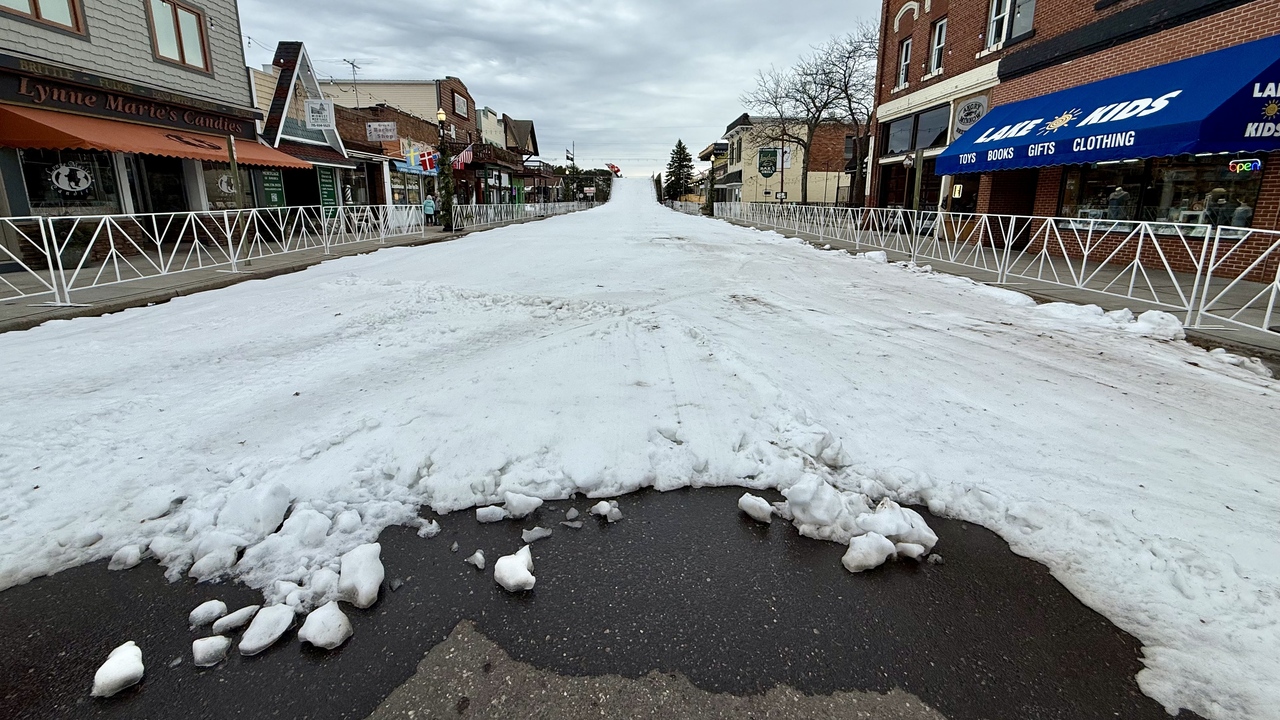
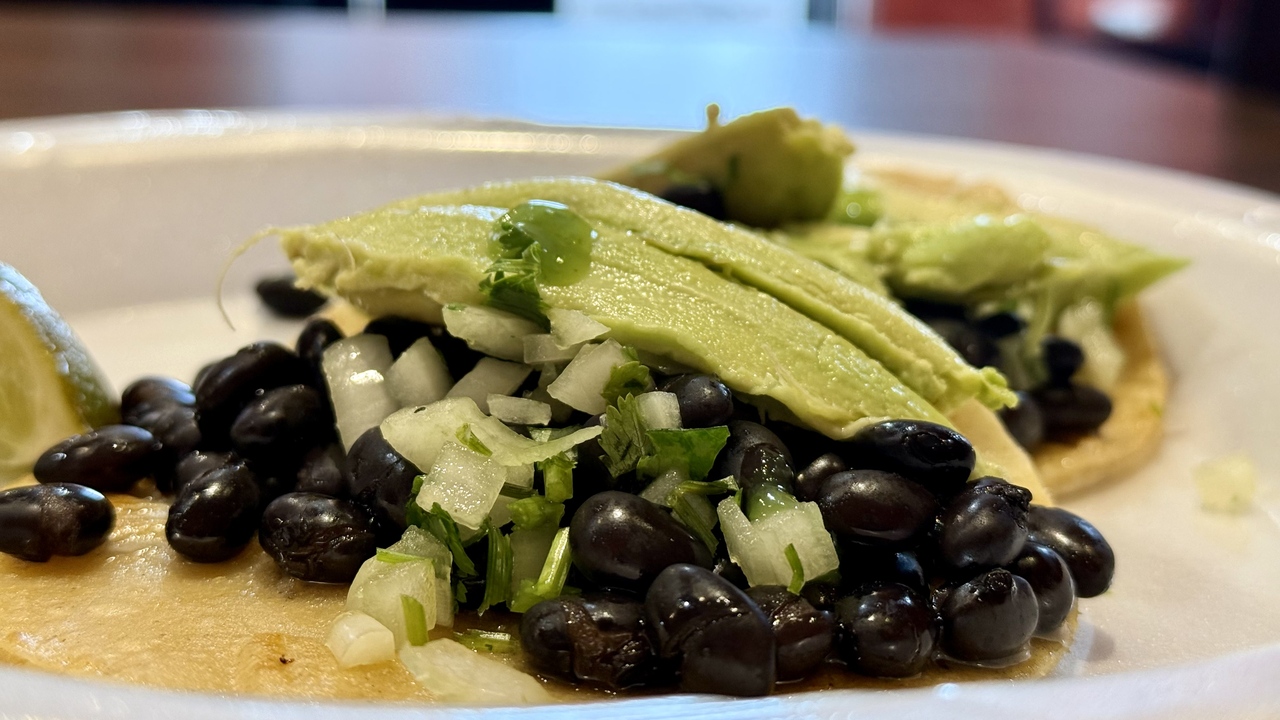
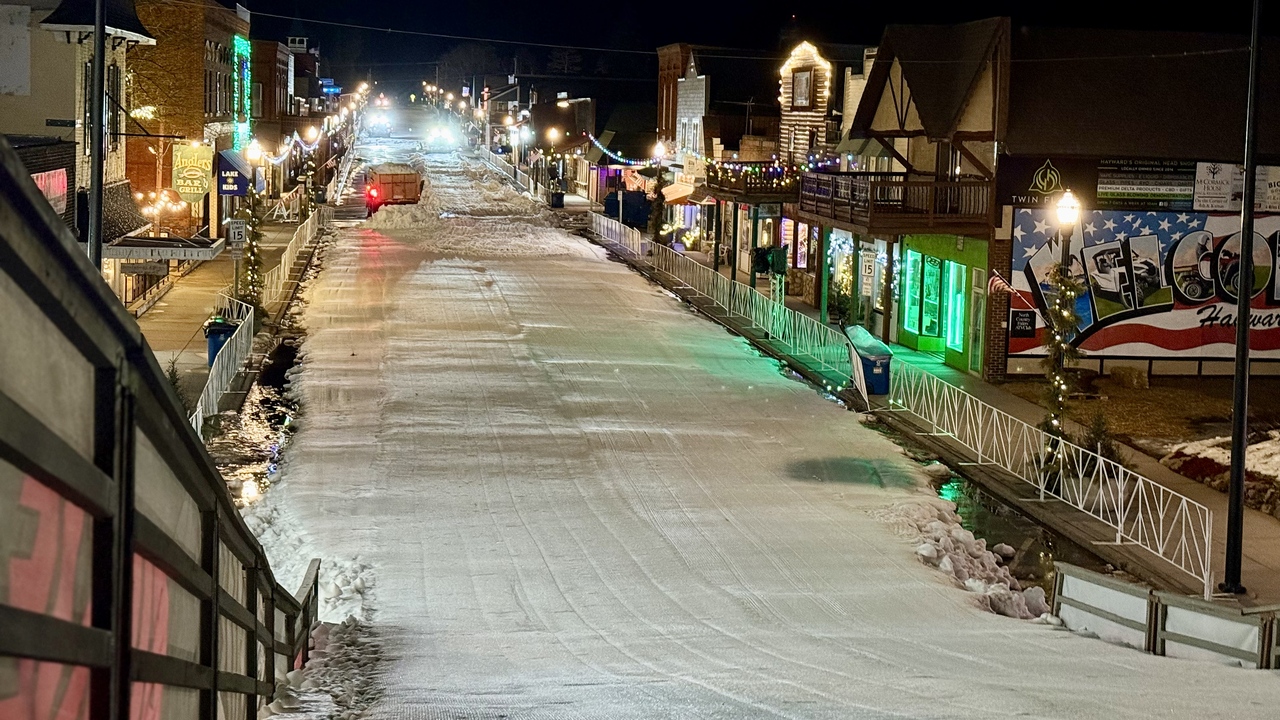
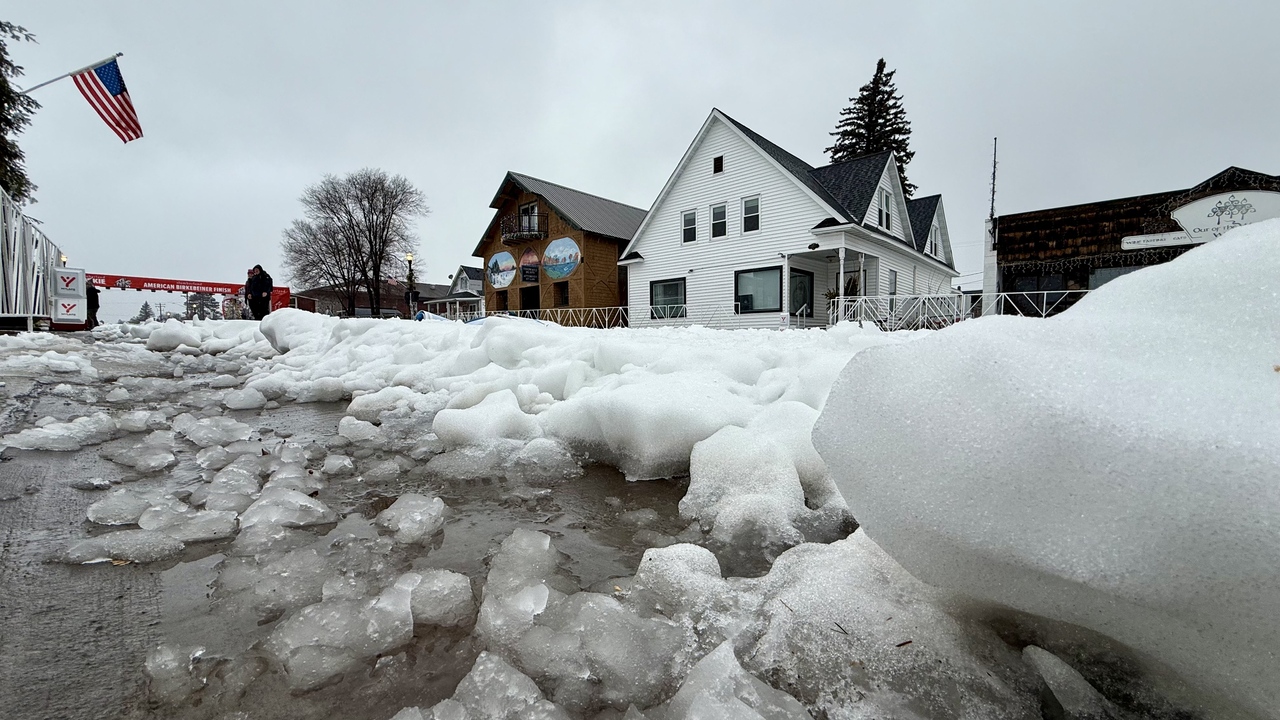
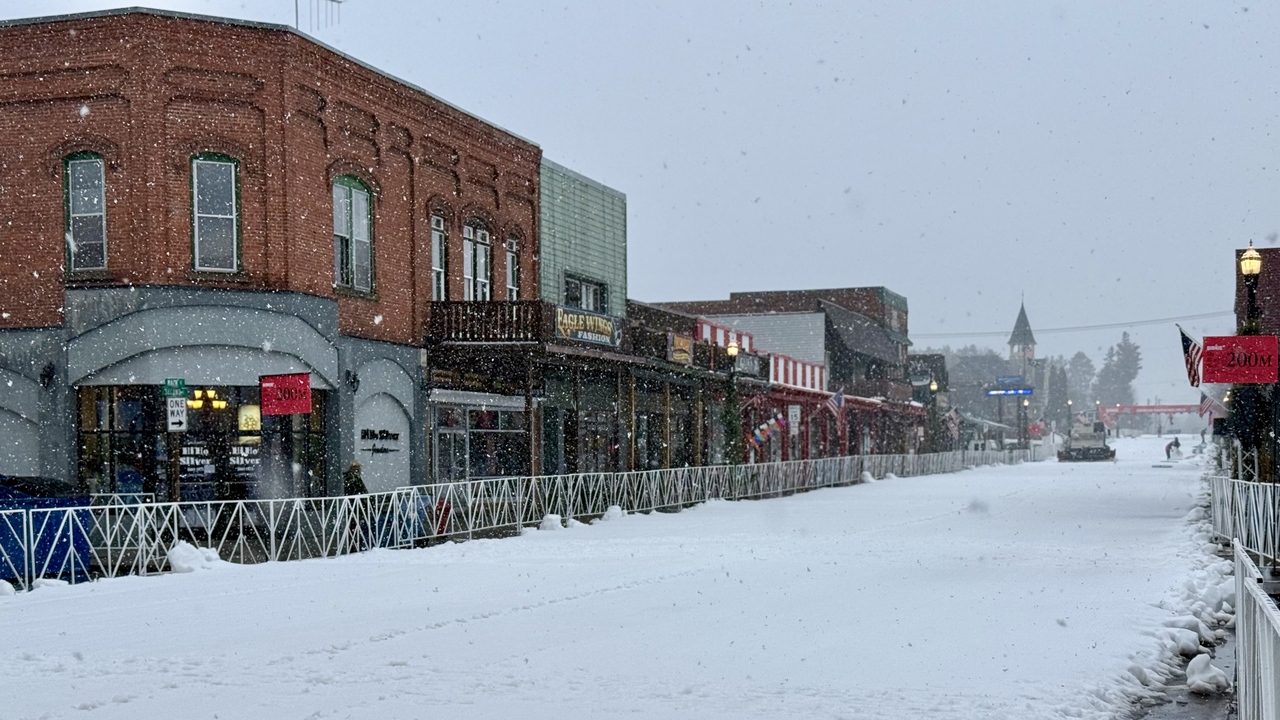
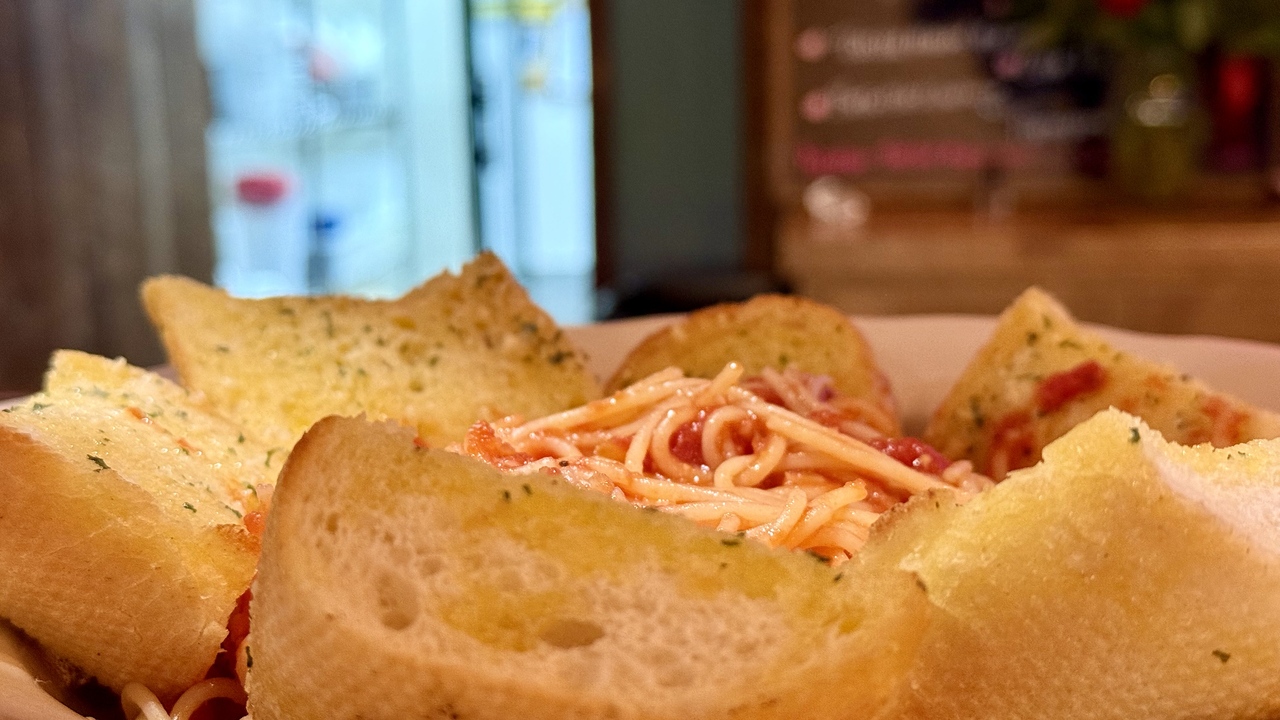
After taking care of work for a few hours, I left Houghton around 9:15 am (local time) on Tuesday. An easy and relaxed drive on dry and clear roads under blue skies and abundant sunshine – punctuated with a pit stop for oil change in Ironwoord and a phone conversation with Allison (on waxing, of course) and accompanied by past episodes of Threshold – brought me to Hayward by 1 pm (local time). Catching up with the American Birkebeiner Ski Foundation folks while I awaited confirmation of a potential volunteer opportunity and checking into the clean and quiet The Retreat at Birdsong shortly thereafter were a breeze. Quick stops were made at the New Moon Ski and Bike Shop (for more wax chat), Main Street Tacos (for a taco snack), the Town of Hayward Recreational Forest (for a quick but very easy ski – intel courtesy of the Birkie office) and the Market Place (to acquire nutritional supplies). After a hearty meal at Coop’s Pizza Parloure – the little known title sponsors of the FIS Cross Country World Cup and a walk around the Main Street block chatting with fellow Birkebeiners from Minnesota, I called it a night around 10 pm (local time).
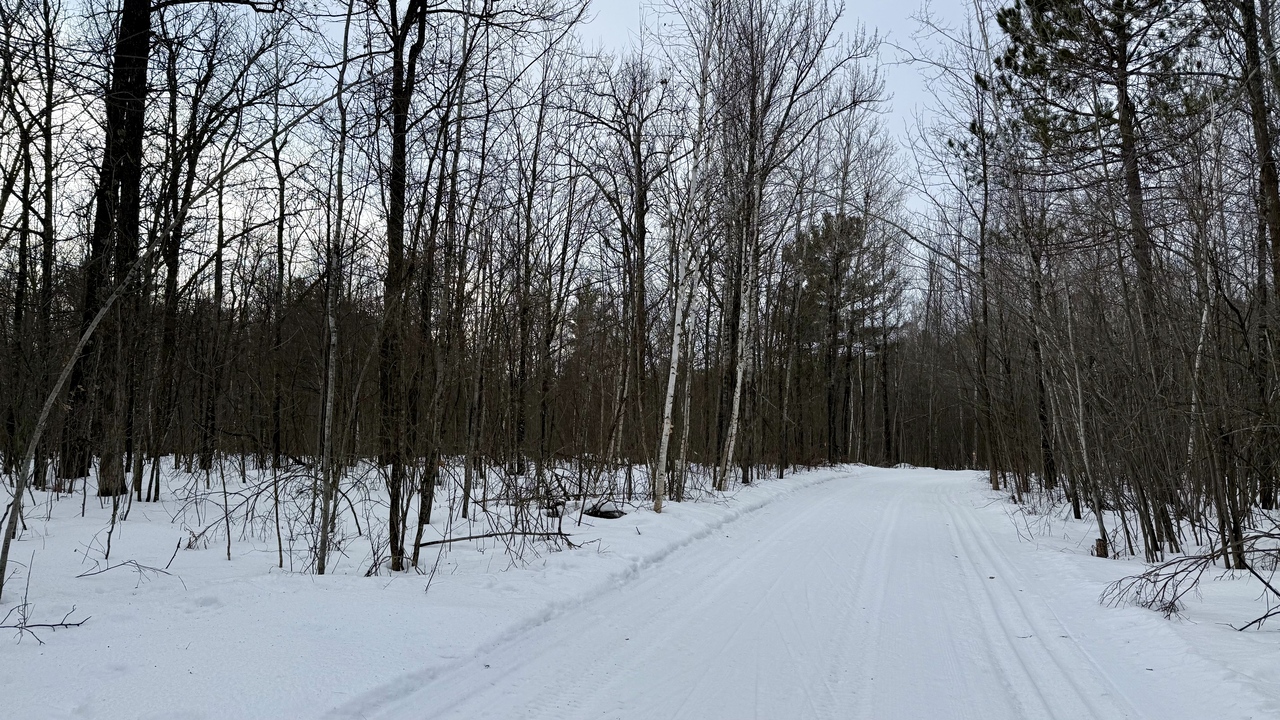
Weather conditions were dilly dallying on either side of the rain-snow line for much of Wednesday. The privilege of a gracious boss (and the flexible working schedule he grants me) came in handy once again. So did the proximity of my housing to the Celebration Tent – the place to pick up the race packet. I was glad I got there when I did – the lines grew very long very quickly, and I got to chat with Liz and Peter while purchasing the customary coffee mug from the Birkie Store. With the ongoing Winter weather advisory in the Keweenaw, I didn’t wish to find myself in a ditch or worse. Ben (the same kind human who hosted me at the Mill Pond Apartment not that long ago) helped me find a quiet place to stay in Birkie Land for the next couple days to get plenty of work done remotely.
Circling back to what occupies the vast majority of a skier’s brain before any race – prayer as Bill McKibben calls it in his book, Long Distance … Rex and Toko provided iterative updates from Monday through Wednesday (Swix did too but as far as I could tell, there were no revisions).
It (Waxing) acquires a religious ritual aspect – applying mysterious ointments in semi-mystical sequences, then scraping them all away leaving … nothing. Nothing visible anyway. It’s a kind of prayer.
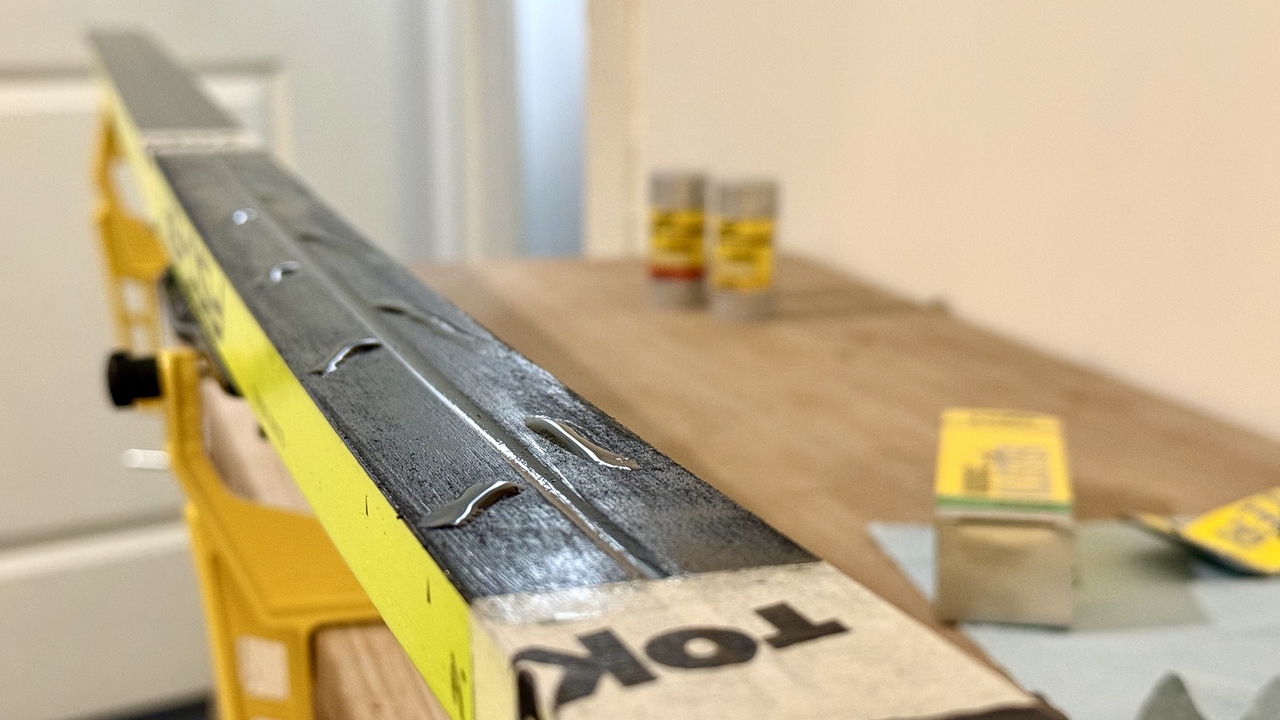
When Toko published their final update, I realized that only a portion of my homework was in the right ballpark. The kick wax recipe – klister OR klister cover OR hard wax – was highly contingent upon the amount of overnight snowfall. In the spirit of FAFO (thanks, MikeY), I wasn’t least bit unhappy about it. Had I encountered such variable weather conditions a few winters ago, I would have been rattled and would have found ways to wreck the outing even before the start banners had gone up. Thanks to the kind friends, coaches and mentors, the days and hours (Rex and Toko thinktank – Ben, Gerald, Jonathon and Pete at New Moon Ski & Bike) leading up to the revised Open Track were very calm. Walking around before/after a hearty meal at Coop’s Pizza Parloure (with a lovely conversation with Rich) gave me some idea which I’d want to lean. Wanting to avoid a rushed morning and based on conditions and predictions at about 9 pm, I decided to go with the klister cover option. The klister portion of the protocol was completed shortly before calling it a night around 10 pm.
| Glide Cleaner | Toko Racing Wax Remover Toko Copper Brush |
| Glide Wax &/or Structure | 1:1 Toko Glide Hard Wax (GHW) Base Performance (BP) Red:Yellow Toko Structure Tool 1 (ST1) Yellow |
| Kick Cleaner | Toko HC3 Wax Remover |
| Kick Binder &/or Wax | Toko Kick Klister Wax (KKW) Green 1:1 Toko Kick Klister Wax (KKW) Red:Yellow Toko Kick Hard Wax (KHW) Yellow |
| Notes | Per Toko recommendation ... Glide zone cleaned with Toko Racing Wax Remover and Toko Copper Brush on 2026-02-15. 1:1 Toko GHW BP Red:Yellow ironed, stripped and brushed on 2026-02-16. Skipped the Toko Jet Powder and Toko Jet Liquid applications since I didn't have them. Glide zone preparations were completed before ABSF moved the Open Track event to Thursday, and I left town - without glide wax supplies - long before Toko updated glide wax recommendations with an expectation of finding ways to make it work. Kick zone cleaned with Toko HC3 Wax Remover on 2026-02-15, and roughened with 150G sandpaper on 2026-02-16. Toko KKW Green ironed and smoothed on 2026-02-18. 1:1 Toko KHW Red:Yellow ironed and smoothed (while the binder was still warm) on 2026-02-18, and cooled overnight in the car. Toko KHW Yellow crayoned and lightly corked on 2026-02-19. Binding at 0 |
da Event
Thursday morning came early and after a second consecutive night of what felt like restless sleep. I checked out of the housing around 6:30 am and arrived at the spectator parking lot with plenty of time to spare. The communal bus ride brought me to the start area in Cable around 8:00 am. I took my time to carefully complete the last verse of the prayer – the cover part of of the klister cover recipe. The advantage of the Open Track is the 1-hour window of opportunity to start one’s journey and that the journey’s clock starts ticking when one crosses the start line (in other words, chip timing). I dropped the bag and started my journey a few ticks before 8:15 am.
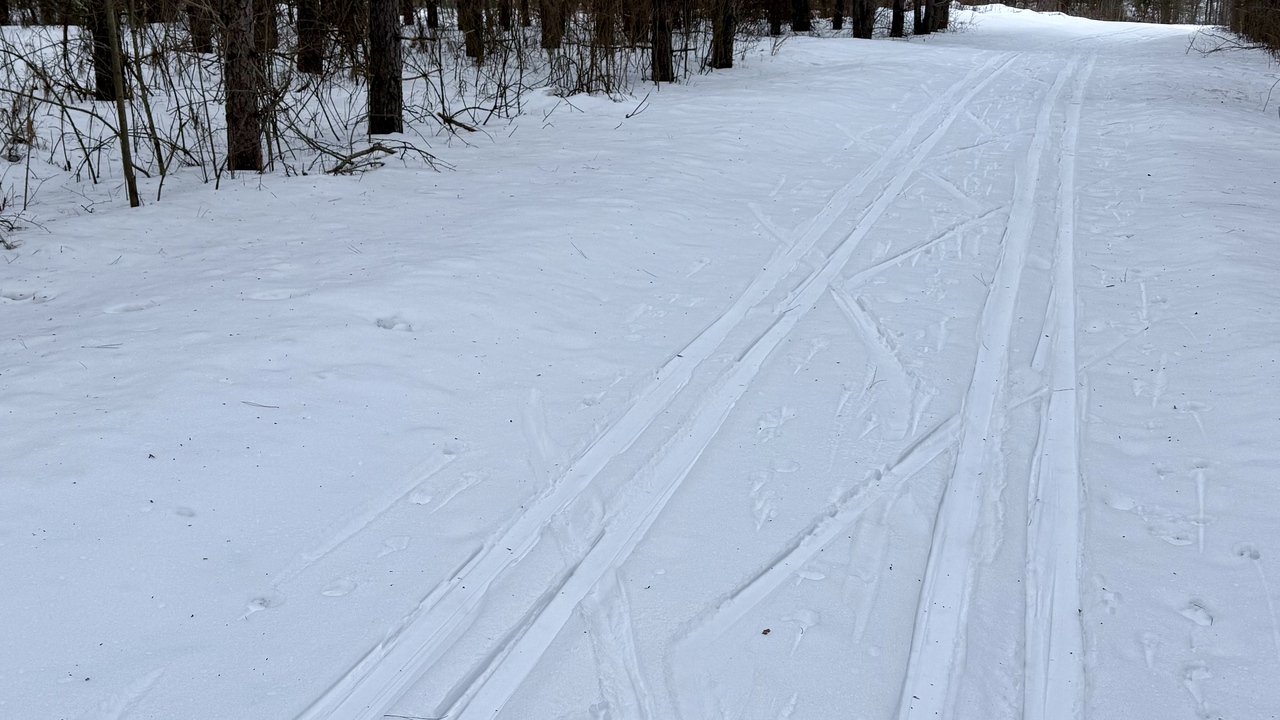
It had snowed more than what was predicted (and definitely more than what I wanted) and it was continuing to snow – warm and crystalline kind. The kind that LOVES a poor klister cover job and LOVES to make ice out of snow. And that’s exactly what happened. I made it all of about 400 meters – long before the Classic and Skate Trails split – before needing to stop and attempt some repair (and chat with Mr. Randolph). Using what Bjorn (of Our There Nordic) had taught me in one of the waxing clinics a couple winters ago, I warmed up the base before applying more hard wax as cover. It seemed to work … for another 400 meters … before icing up.
I turned around and was on my way back to the start when a kind lady offered her husband’s help … a short way up the Skate Trail. Being in a position of need (may be a tad bit desperate too), I took up on her offer and shuffled up to seek the help. The rescue act worked … for another 400 meters or so … before icing up really bad. 53 kilometers is a long way to go even when everything works in one’s favor. The journey to Main Street felt way too arduous when needing to double pole descents and when every stride felt like a little jerk to the body. So, I declared myself as a DNF to the trailside medical folks and turned around – this time for good – to safely head back to the start.
The ABSF team and volunteers and officials could not have been more kind and accommodating: Jeff and Eric brought me inside the Great Hall to keep me warm, Nick introduced me to the FIS TD, Paul gave me a ride back to Hayward, Dave and his team found my bag (out of several hundreds) in a very short time, Victoria let me hang around the Celebration Tent while I figured out the bussing schedule and Mike (Kelly’s husband) brought me back to the spectator parking lot (instead of bus a ride that wasn’t scheduled to start for another 3 hours) … all with a smile on their face! As I waited the next couple hours for the change in housing, I got to make a list of things to get better at … in addition to form and technique improvement:
- Practice Klister and Klister Cover applications ahead of time.
- Learn the geography and weather patterns for point-to-point courses.
- Carry a scraper (in addition to necessary kick wax and cork) to clear any icing.
- Wait till the morning of the event to apply kick wax … especially when conditions are variable / tricky.
- Offer waxing help in a kind, supportive and positive fashion to the skier(s) in need if/when I happen to be trailside.
A quick shower followed the check-in and work kept my mind off the any number of what if scenarios. After the work day ended, I spent some time at the expo (catching up with many friends – Andre, Darryl, Ellen, Ethan, Ian, Jen, Jenny, Jeremy, Kevin, Kathy, Liam, Makowskis, Matthew and more) and the Keweenaw contingent before calling it a night around 10 pm.
da Days After
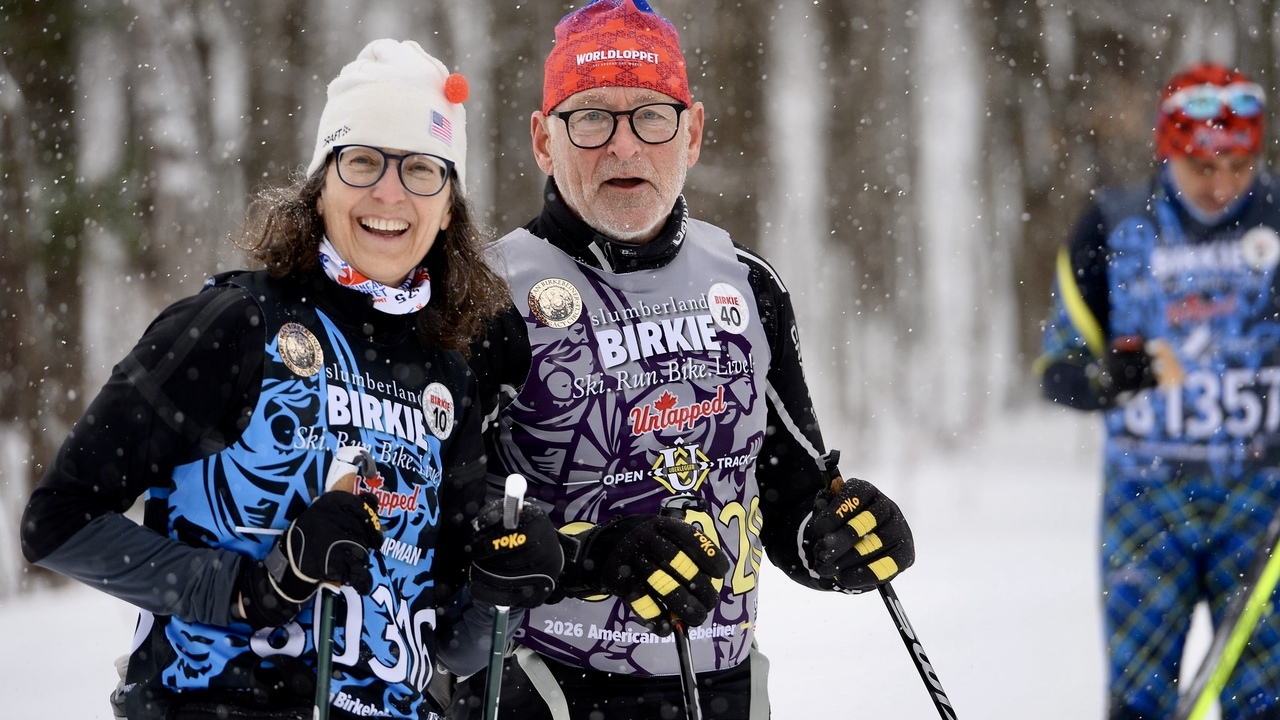
Cheesy as it might sound, a handful of volunteering opportunities at various locations on Friday and Saturday … amidst working remotely … filled my cup pretty well: I saw some very inspiring performances from skiers of all ages and abilities and caught up with a number of friends I hadn’t seen in a long time and got a good quantitative measure of the progress I made over the past 7+ weeks. Courtesy of Allan, Doug, Erik, Karen and Nick, I spent some time near the finish line and even got a demo of real-time fluoro testing using the Bruker Fourier Transform Infrared Spectrometer (nerds amongst us may refer to FIS ICR 222.8 for more details).
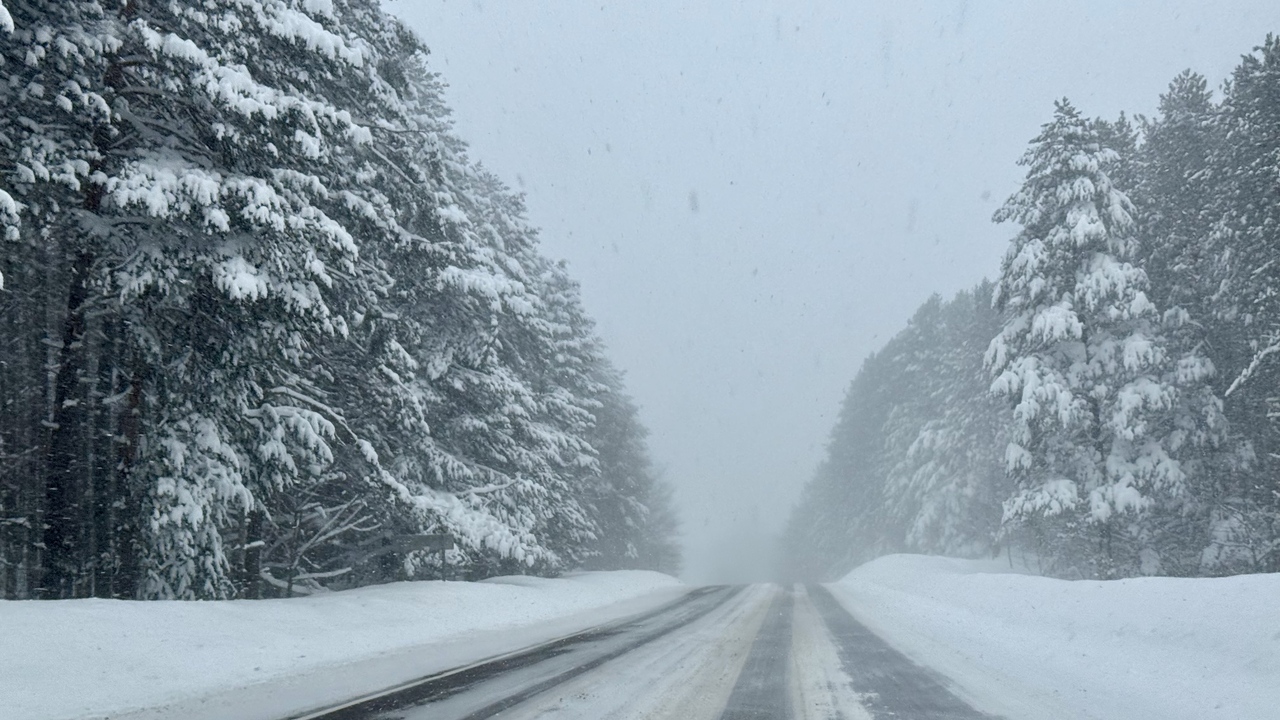
With extensions to the the winter weather advisory in the Keweenaw, the host graciously offered to let me stay until Sunday morning. As a result, I got to check off a long awaited item on my wish list – ski at the Hayward Area Ski Trails Association‘s Hospital Trails and name the activity as HASTA La Vista, Baby! After a short stop at the Mt. Telemark Village to see friendly faces, I started my drive home. It was in a blizzard and nearly whiteout conditions at times. It took 90 extra minutes than usual but I made it safely around 6 pm … looking forward to the full blown version of Birkie Hangover the following week and using rest of the Winter to work on improving form, technique, and skiing with ease and peace.
Carpe Skiem!

Thanks be to
the rejections and opportunities life has brought my way, event folks (organizers, sponsors, volunteers, timers, law enforcement officials, photographers, fellow participants and spectators) and my family of good friends, mentors and coaches in and outside of my community for all the unexpected, undeserved and unrewarded acts of kindness and constant encouragement as well as offerings of constructive criticism to improve myself as a human and an athlete. I am eternally grateful to all those who let me train with them, who shared their meals and experiences with me, who helped keep me in good health, who helped me stay the course, and who cheered me on from home or along the course.